Heat Pump

Solving Common Heat Pump Performance Issues in Summer

During the summer in Lake City, a working heat pump can make all the difference in keeping your home cool and comfortable. These systems are relied on to move warm air out of your home and keep indoor temperatures at a comfortable level when the heat outside rises. When they’re not working the way they should, it doesn’t take long to notice—things get stuffy, uncomfortable, and harder to manage.

Unfortunately, many homeowners deal with heat pump performance problems just when they need cooling the most. From airflow issues to refrigerant troubles, small problems can snowball into bigger ones if they’re not dealt with early. Being able to spot these performance issues right away can help prevent long-term damage while saving on energy use and repair costs.

Common Heat Pump Problems Homeowners Face in Summer

A heat pump that isn’t cooling properly might be dealing with one or more typical issues. Most of these problems develop gradually, so they aren’t always obvious right away. If your system seems to be working harder than normal or isn’t keeping your home as cool as it used to, it’s often a sign that something is off.

Here are some of the most common summer performance issues:

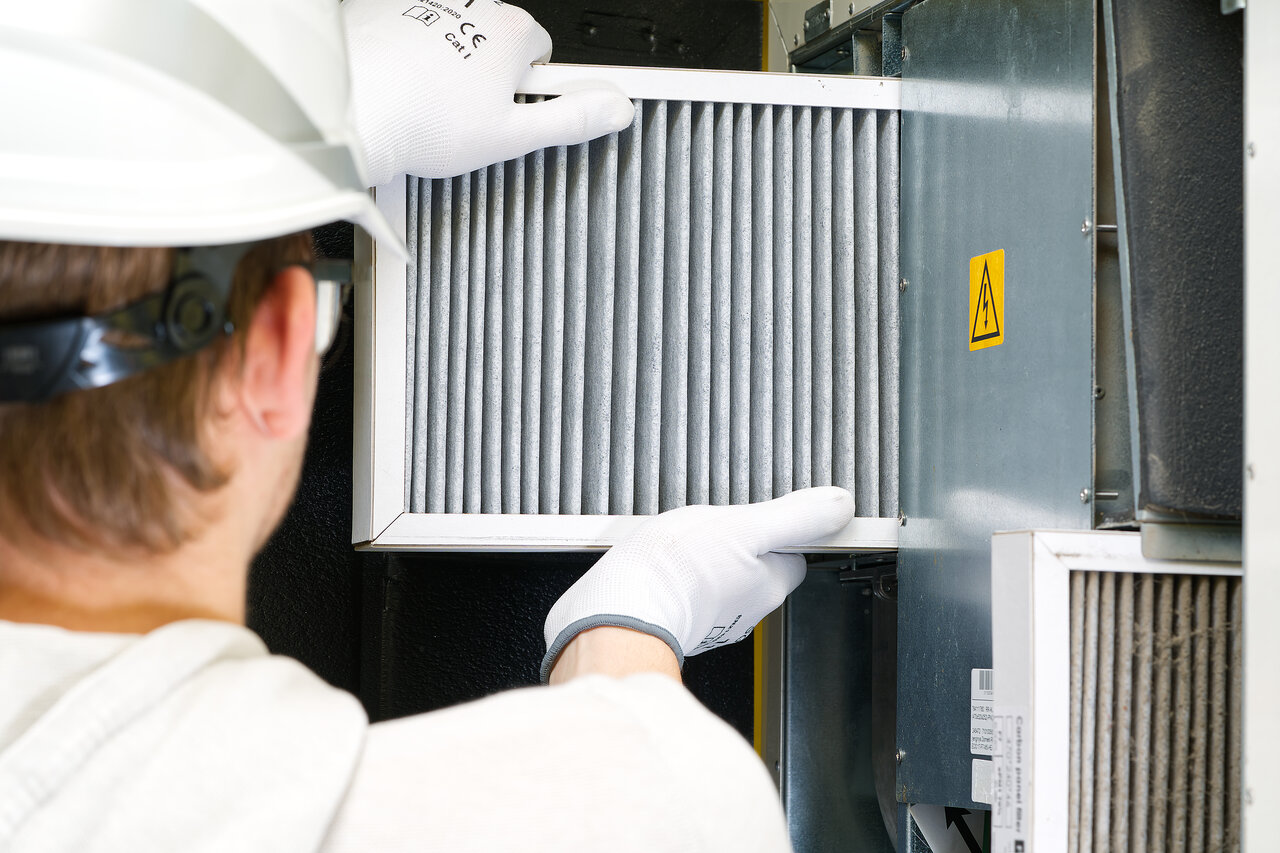
– Dirty or clogged air filters: This limits airflow through the system, forcing your heat pump to work harder and less efficiently. It can affect overall comfort and air quality.
– Low refrigerant levels: This often happens due to leaks. Without enough refrigerant, the system can’t remove heat properly, leading to weak cooling performance.
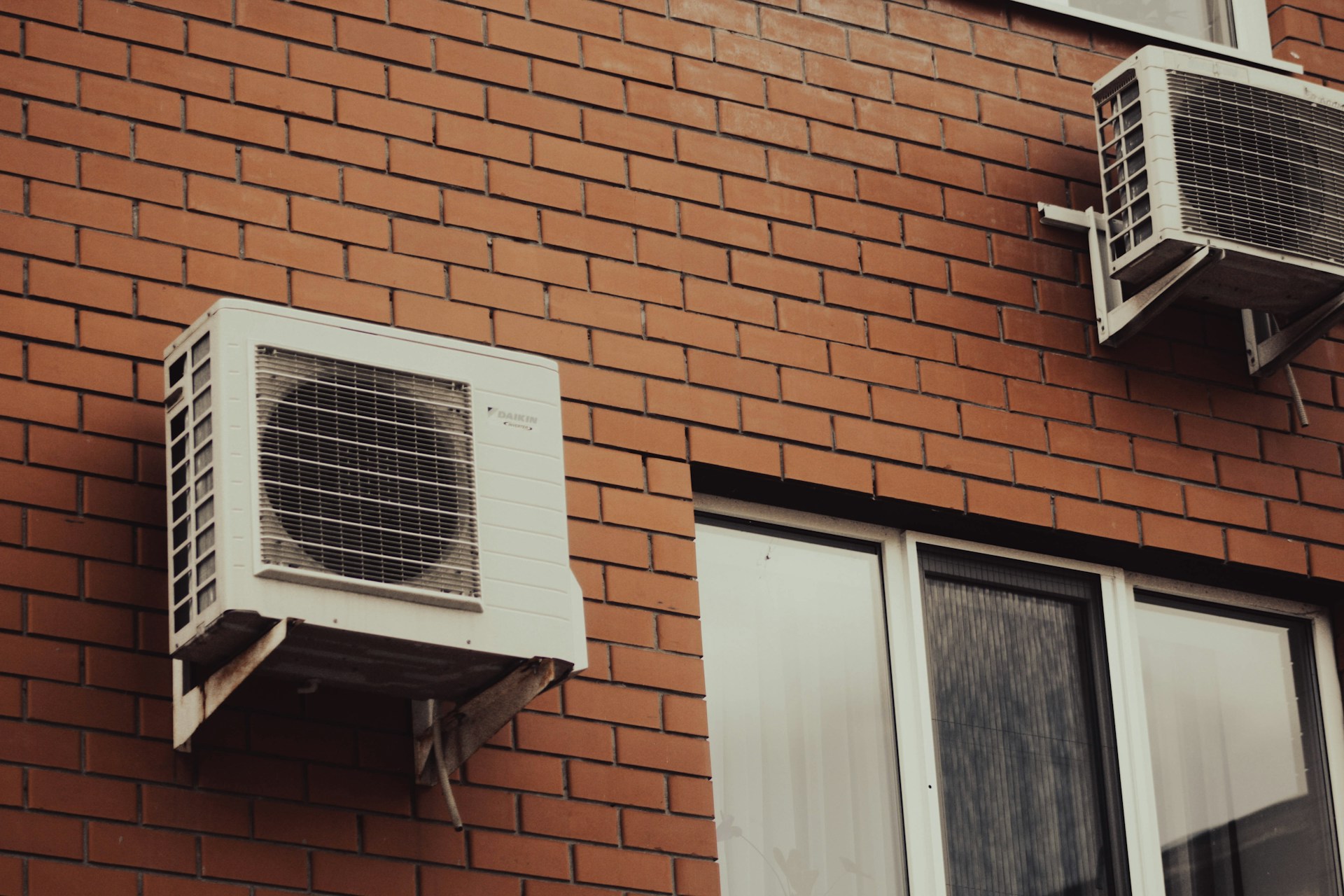
– Dirty exterior coils: Dust, stray grass, and debris can coat the outdoor coil and block heat release, making the heat pump less effective at pushing heat out of your home.
– Frozen evaporator coils: Low refrigerant or airflow problems can cause the coil inside the indoor unit to freeze, stopping the circulation of cool air.
– Malfunctioning thermostats: Inaccurate readings or poor communication with your heat pump can make it turn on or off at the wrong times or run longer than needed.

All these problems affect the way your heat pump works and put extra demand on the system. If ignored, what started as a minor issue could cause a total system failure at the height of summer.

Diagnosing Heat Pump Problems Early

Spotting a cooling issue early can help prevent bigger problems and keep your home comfortable. Many homeowners may not realize how important it is to recognize signs of trouble in heat pump systems in Lake City—until it’s too late. Knowing what to watch for can help take care of problems before they require major repairs.

If your home suddenly cools unevenly or if some rooms feel warmer than others, that might mean airflow is blocked or there’s a problem between the thermostat and heat pump. Strange sounds such as buzzing, rattling, or clicking may point to loose parts or electrical problems. If you notice your energy bills rising with no clear reason, your system may be overworking to maintain your set temperature.

Other signs of trouble include:

– Warm air blowing from the vents when the system is set to cool
– Short cycling, where the unit turns on and off more frequently than normal
– Ice forming on the outdoor unit or indoor coil
– Weak airflow from vents even though the fan is on
– Musty or damp smells during system operation

Even if your system seems to be running, these signals could mean it’s struggling. Fixing these situations quickly can help avoid damage to other parts of the system and reduce the chance of a full breakdown during extreme heat.

Why Professional Help Makes the Difference

Heat pump systems may appear simple, but the internal workings are complex. Different parts need to function in sync for efficient cooling. When performance drops, diagnosing the issue properly may involve checking refrigerant levels, testing electrical components, inspecting for blockages, or recalibrating the controls—all things that should be left to trained hands.

Our technicians at Lane Heating And Air are experienced in spotting issues quickly and knowing how to resolve them the right way. For example, in a case where a heat pump is blowing warm air, a homeowner might assume it’s the thermostat. But our team can quickly determine if it’s actually low refrigerant or another internal failure that’s harder to spot without tools and training.

What sets professional service apart isn’t just repair—it’s also prevention. Our technicians can identify and correct underlying issues that a quick fix might miss. We clean, adjust, and reset critical parts to improve airflow and restore the system’s ability to operate smoothly.

Simple Steps to Keep Your Heat Pump Efficient

Once your heat pump is working the way it should again, a few small tasks can help it remain reliable throughout the summer months. These maintenance steps don’t take the place of professional visits, but they can make a noticeable difference in performance and help delay any future repairs.

Here’s what you can do:

1. Check your air filter each month and replace it when it looks dusty or dirty.
2. Cut back plants and clear leaves or other debris near your outdoor unit.
3. Wipe off supply and return vents around your home to keep air flowing freely.
4. Keep your thermostat set to a consistent temperature to avoid overuse.
5. Stay alert to unusual sounds or behavior from the system and request service if needed.

By following these simple habits, homeowners in Lake City can support system efficiency and improve their indoor comfort, even during the hottest days of the season.

Keep Heat Pump Problems from Dragging Down Your Comfort

When summer temperatures climb in Lake City, dependable cooling is a must. Your heat pump should be ready to meet the challenge—but even small issues can impact how well it performs. Signs like weak airflow, unusual noises, or uneven cooling often point to a larger developing problem.

Most heat pump problems during the summer start small and can be corrected with the right help before they get worse. Understanding what to look for and acting early can help you avoid major system failures and uncomfortable indoor conditions. Heat pump issues don’t mean you need a new system. Reliable repairs and thoughtful maintenance can make a big difference in both performance and peace of mind. Whether your system is working harder than it used to or just doesn’t feel like it’s cooling quite right, it’s time to take a closer look.

If your home needs reliable cooling this season, it is time to keep your system in top shape by addressing any early signs of trouble. At Lane Heating And Air, our professionals have the know-how to support steady performance and comfortable indoor temperatures even during hot summer days in Lake City. Learn more about heat pump systems in Lake Cityand ensure your cooling setup is ready for the challenges ahead. For a quick estimate or to book a service visit, please contact ustoday.

AC

What That Musty AC Smell Means for Your Home Comfort

A musty smell coming from your AC unit isn’t just an inconvenience. It is a problem that can grow worse if left unchecked. That stale, damp odor affects how your home feels and smells and can even point to issues hiding within your system. Whether it creeps in every time the unit kicks on or lingers in certain rooms, taking it seriously is the first step toward maintaining your comfort and peace of mind.

Homeowners across Lake City start to notice these smells more frequently during the summer months when AC systems are working the hardest. If rooms feel humid or your air feels sticky, chances are moisture and other buildup in the system are part of the issue. Understanding the different causes behind the smell can help you make better decisions about keeping your system running clean and efficiently.

Understanding the Musty Smell from Your AC

That smell most homeowners recognize as musty usually means moisture or organic buildup inside the AC system. It often points to an environment where mold or mildew has taken hold. These microorganisms thrive in damp places with limited airflow, exactly the kind of conditions you might find in coils, drain pans, or clogged air filters.

When the system circulates air through these areas, it can push that musty odor into your living spaces. Over time, this can settle into fabrics like carpet and furniture, making the entire home feel less fresh. The longer the situation goes unaddressed, the harder it becomes to remove the smell entirely.

It is not just about comfort. Prolonged exposure to these smells may affect indoor air quality. People in the house might start experiencing symptoms such as headaches, sneezing, or dry throats. While those signs don’t always mean a health issue, they can be tied to poor airflow or contaminants running through an overworked AC system.

Home comfort is not just about cool air. It is about clean, fresh air that makes each space feel better to live in. If your AC produces a musty smell, something inside likely needs to be cleaned, repaired, or replaced. Making sense of what causes these smells is the first step to solving them.

Common Reasons Your AC Smells Musty

There is more than one reason your AC may smell musty. The issue often starts deep inside the cooling system and tends to build up over time rather than appear all at once. Here are some of the most common sources of that damp, unpleasant odor:

1. Mold and mildew buildup – When moisture collects inside the system, especially on the evaporator coil or in the drip tray, it provides the right conditions for mold and mildew to grow. These microorganisms release gases that produce strong smells when the system operates.

2. Clogged air filters – Filters trap dust, pollen, pet dander, and other debris. If not changed regularly, they can harbor moisture and organic material, causing odor when clean air tries to pass through.

3. Drain line blockages – The condensate drain line is supposed to move excess moisture outside the system. When this gets blocked, water can pool inside the unit, attracting bacteria and mold.

4. Stagnant water in the system – Water can collect inside drip pans and ducts if the system is not draining properly. When that water sits for too long, it starts to smell and can also damage components.

Sometimes the odor is caused by a mix of these issues. For example, a partially clogged filter combined with high humidity in your home can trigger mold growth across multiple parts of the system. That is why routine inspections and cleanings are important. They catch these problems before they cause worse airflow, higher power bills, or permanent damage to system parts.

One Lake City homeowner reported noticing a musty smell that seemed to get worse each week. After a system check, mold was found along the internal coil where condensation had sat undisturbed. A full cleaning and proper drain repair brought the air quality back to normal. Recognizing concerns early helps avoid stories like that altogether.

Preventative Measures for Avoiding Musty Smells

Once a musty smell takes hold in your AC system, it is harder to remove than to stop it from forming in the first place. A few simple habits and routine steps can go a long way toward keeping your air conditioner fresh and odor-free, especially during Lake City’s humid summer season.

Start with your filter. Make a habit of checking and replacing air filters every one to three months. If you are running your AC consistently during warmer months, this step becomes even more important. Filters that are clogged trap moisture and organic matter, which then develop mold and mildew over time.

Keeping your evaporator coil and drain lines clean is just as important. These parts collect condensation, and if the moisture has nowhere to go, it creates a perfect setup for odor-causing growth. Having drain lines flushed and coils inspected helps reduce this risk.

Also, pay attention to the area surrounding your indoor unit:

– Do not store boxes or cloth items near the system as they can trap humidity and limit ventilation

– Use a dehumidifier inside rooms that stay damp, especially in basements or low-traffic areas

– Make sure vents are not blocked by furniture, curtains, or rugs

These steps help control moisture and boost ventilation, creating an environment inside your AC system that is less likely to trap odors. A clean system does not just smell better. It works more efficiently, cools faster, and puts less stress on mechanical parts.

How Our Technicians Can Help with Musty AC Odors

While small steps around your home can help, the deeper cleaning and maintenance jobs need trained attention. If a musty odor lingers even after replacing your filter and drying out the area, something more complex might be going on inside the unit.

Our technicians are trained to inspect inside the system where mold, mildew, or clogs might be hidden. That includes examining your evaporator coil, checking condensate pans and pumps, and locating any trapped water causing buildup. They also flush drains and look for signs of microbial growth that might not be visible from the outside.

When performing air conditioner maintenance in Lake City, our technicians also look for long-term causes that could be creating repeat problems. For example, if poor airflow is encouraging moisture to sit on parts of the system too long, they will identify any mechanical or setup issues that contribute to that. A full service not only clears the smell. It also prevents it from returning next time humidity spikes.

For homeowners trying to solve the problem during a busy summer, having someone trained to go directly to the source takes the guesswork out of the process. And if components are aging or starting to malfunction, spotting those problems early helps avoid higher repair costs or system failure when cooling is most needed.

Keeping Your AC and Home Air Fresh

The smell of your AC matters. A cooling system that is clean and well-maintained not only feels better to use but also keeps your indoor space healthier overall. Musty odors often point to problems that go beyond inconvenience, from blocked drainage to mold growing inside your system. Even minor signs, like a consistent damp smell or airflow that feels less powerful, can lead to bigger maintenance issues if left alone.

Staying ahead of these problems through air conditioner maintenance in Lake City gives your system the best chance to perform at its peak. It also helps protect the air your family breathes. Over time, those little steps toward prevention make your home more comfortable and your unit more dependable during the times you need it most.

Taking care of unpleasant odors now means you do not have to fight them later. The best time to schedule help is before the smell becomes full-blown. A reliable cooling system starts with clear air, clean parts, and trusted upkeep. Do not wait for your AC to remind you it needs attention.

Keep your cooling system in top shape by scheduling air conditioner maintenance in Lake Citywith Lane Heating And Air. Our professionals are prepared to inspect your system and resolve any issues that might lead to musty odors so that your home stays comfortable during the summer. For a quick estimate or to book a service visit, please contact us today.

AC Airflow

Common Airflow Problems With Ductless AC Units

Ductless AC units have become a popular cooling solution for homes throughout Lake City. They are compact, energy-efficient, and offer flexible temperature control. But like any equipment, they can develop problems over time. One of the most common issues homeowners face is poor airflow, which can lead to rooms feeling warmer than they should, inconsistent temperatures, or even a complete lack of cooling in certain areas.

Ignoring airflow problems does not just impact comfort. It can also strain the unit and reduce its efficiency. From minor obstructions to more serious internal malfunctions, airflow issues have a range of possible causes. Understanding what can go wrong with your ductless AC’s airflow helps you act quickly and avoid more complicated repairs later on.

Understanding How Ductless AC Units Work

Ductless AC systems typically include two main components: an indoor unit mounted on a wall or ceiling and an outdoor compressor. These two parts connect through a conduit, which houses power cables, refrigerant lines, and a condensate drain. This setup makes installation more flexible compared to traditional ducted systems.

Inside the unit, several key parts work together to control airflow. The fan inside the indoor unit pulls warm air from the room, passes it over cold coils, and then pushes the cooled air back into the space. The outdoor compressor helps with this by circulating refrigerant that absorbs and releases heat. When everything is functioning as it should, the air feels crisp and is evenly distributed throughout the room.

But when one of these parts starts malfunctioning—whether it is the blower fan, evaporator coils, or sensors—the airflow can be affected. If your unit cycles more often or your room never quite gets to the right temperature, airflow could be the issue.

Most Common Airflow Problems In Ductless ACs

Recognizing common airflow problems early can help prevent more serious issues. Often, homeowners notice something seems off but are unsure of the cause.

Here are a few of the most frequent airflow-related issues:

• Clogged Air Filters: When filters get filled with dust and debris, airflow slows down significantly. This is one of the most preventable issues with routine care.

• Blower Fan Trouble: If the fan is stuck, worn, or malfunctioning, air will not move well through the system, which can lead to weak airflow.

• Refrigerant Leak: Low refrigerant levels can prevent the evaporator coil from cooling the air properly, causing reduced airflow and uneven temperatures.

• Dirty Coils: A buildup of dust and grime on coils can block the heat exchange process, which affects both airflow and cooling performance.

• Electrical Issues: If a part of the system is not getting enough power, it may not work the way it should. This can affect airflow and lead to irregular temperatures.

Symptoms of airflow problems can include warm rooms even while the unit is running, noticeable drop in airflow from the indoor unit, or the system working harder with less cooling. For example, your living room unit might seem to cool well, but your bedroom feels stuffy and warm. That could be a sign of one of these issues.

Catching these warning signs early helps keep your ductless AC in Lake City running strong through the summer. Continuing to use a unit with poor airflow can speed up wear and lead to more expensive problems later.

Troubleshooting Airflow Issues On Your Own

There are a few airflow problems that can be spotted or even prevented with routine attention. While any necessary repairs should be handled by our professionals, some basic checks can help identify what might be wrong or reduce the potential for future problems.

Here are a few things homeowners should check:

1. Air Filters – Dirty filters are the most common reason for poor airflow. If airflow has slowed, inspect your filters. These should be checked monthly and cleaned or replaced when dirty.

2. Obstructions Near the Indoor Unit – Items like furniture, wall art, or curtains placed too close to the indoor unit can restrict airflow. Make sure the unit has enough space for proper air intake and discharge.

3. Condensate Drain – Check for signs of leaks or standing water. A clogged drain line can cause performance issues and limit airflow.

4. Remote Settings – Sometimes airflow feels weak because of wrong thermostat settings. Confirm that your remote is configured correctly and that fan speeds are not set too low.

5. Odd Sounds – Clicking, buzzing, or other noises can suggest something is wrong inside the unit. These noises often accompany poor airflow.

Paying attention to these signs can help reduce wear on your ductless AC unit. If airflow remains low after completing basic checks, it is time to contact our technicians for help.

When It's Time To Call Our Technicians

Some ductless AC issues involve components that are hard to access or diagnose without proper tools and experience. If your system is running but rooms continue to feel warm, or if there’s very little air coming from the vents, it’s likely time to call a technician.

These signs might mean you need help from our team:

– The indoor or outdoor unit turns on, but no air comes out.

– Airflow is weak or only cold in certain rooms, while others stay warm.

– The unit cycles on and off more than usual.

– Filter cleaning and settings checks have not improved performance.

– A moldy or burnt smell comes from the unit while it is in use.

Airflow problems like these may be caused by blower motor trouble, blocked air passages, or refrigerant leaks. These problems can worsen over time or result in higher energy use.

Our technicians have the tools to find the source of the issue, safely fix it, and restore performance. Having trained professionals look at your system can also uncover risks that might become real problems later.

Keep Your Ductless AC Reliable Through The Summer

Poor airflow does not take long to affect indoor comfort, especially in the middle of a hot Lake City summer. When airflow slows or becomes inconsistent, cooling becomes less efficient. This can strain other parts of the system, causing them to wear out sooner.

Simple maintenance, like monthly filter checks and keeping the area around your indoor unit clear, helps your unit stay in top condition. These steps can prevent common sources of airflow restriction.

But when problems go beyond surface-level fixes, getting professional help is your best option. Acting quickly protects your investment and keeps your ductless AC running smoothly when you need it most.

Taking steps now to fix airflow issues can extend the life of your system and help maintain consistent cooling throughout your home. Staying proactive ensures fewer interruptions during the hottest days in Lake City.

When your cooling system isn’t providing steady airflow, getting expert support can help restore comfort to your home. Lane Heating And Air understands that problems with ductless AC in Lake Citycan disrupt your routine and reduce indoor comfort. For a quick estimate or to book a service visit, please contact ustoday.