
Airflow

Why Your HVAC System’s Airflow is Restricted and How to Address It

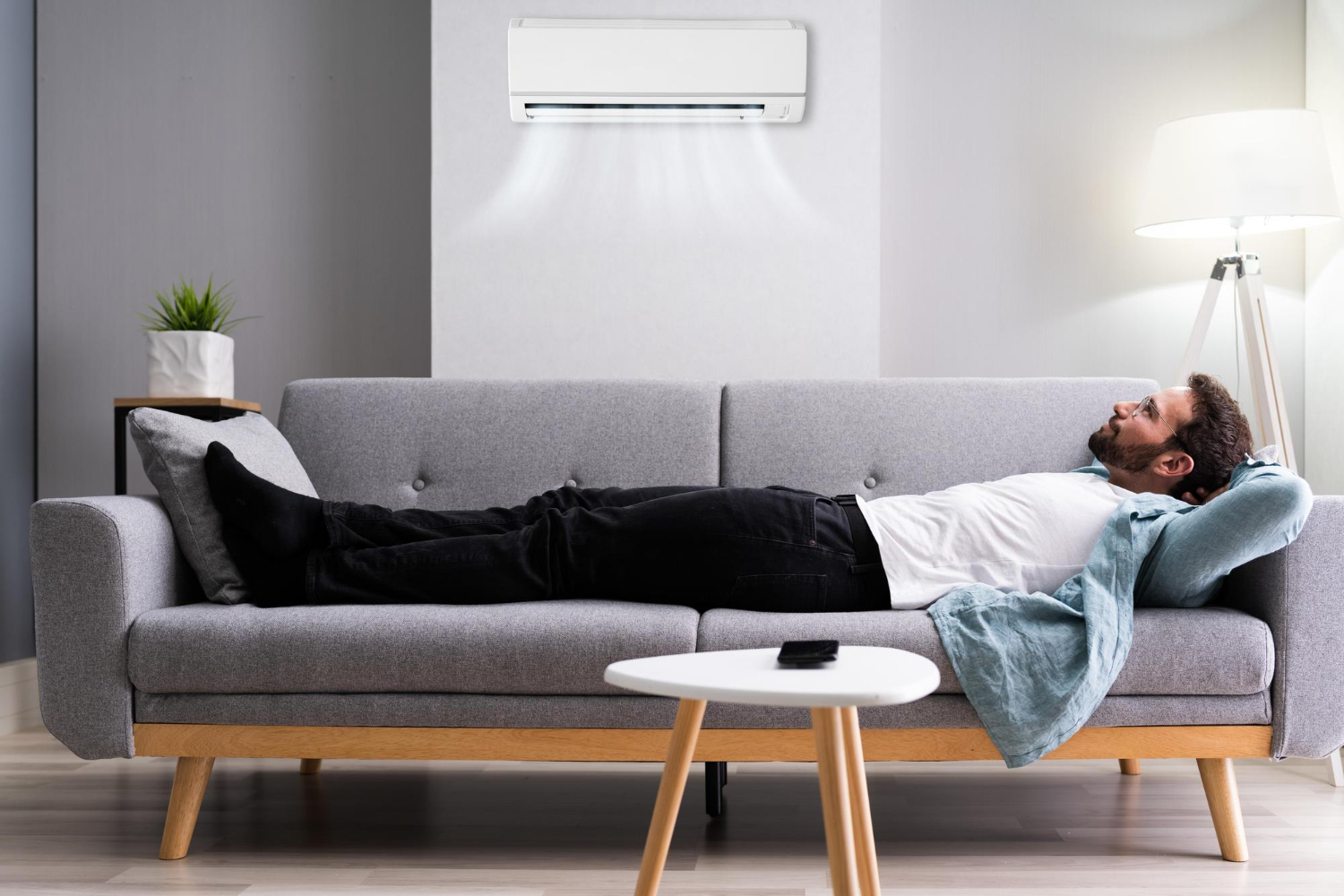
HVAC systems play a big role in keeping homes in Lake City comfortable during hot summer months. When working as they should, they provide steady airflow that cools rooms evenly and consistently. But when the airflow in your HVAC system becomes restricted, the whole setup can struggle to do its job. That means longer run times, uneven temperatures, and more wear on parts.

Restricted airflow can lead to many problems, including higher energy bills, more frequent repairs, and a drop in overall comfort. The good news is that this issue often develops slowly, giving you time to recognize and fix it before it becomes more serious. Knowing the most common causes of blocked airflow is the first step to keeping your system working properly when you need it most.

Common Causes Of Restricted Airflow In HVAC Systems

Airflow problems can usually be traced back to a few key issues. These problems make it hard for air to move freely through the system, meaning your HVAC unit has to work harder just to produce the same results. Here is what tends to cause the most trouble:

1. Dirty or Clogged Air Filters

When filters are full of dust and debris, they stop air from flowing through easily. This forces the system to work against resistance, which not only reduces efficiency but can also lead to overheating and part failure. During Lake City’s summer months, filters can clog faster due to more use, so checking them often makes a difference.

2. Blocked Vents or Registers

Furniture, rugs, toys, or even wall decor can accidentally cover air supply or return vents. When this happens, air cannot circulate properly, and rooms may start to feel unevenly cooled. Blocked vents also create pressure imbalances that strain the blower motor and other parts.

3. Ductwork Obstructions

Sometimes, obstructions occur deeper in the system. Dust buildup, pest nests, or even loose insulation inside the ducts can restrict airflow silently over time. In some homes, this happens more in little-used areas like basements or attics where ductwork is out of sight and easy to forget.

4. Blower Fan Problems

The blower fan is what moves air through the system. If it is gunked up with dirt, misaligned, or has an electrical issue, airflow will slow down. You might hear a whirring noise or feel weak air pressure coming from your vents when the blower is not doing its job right.

Each of these problems affects airflow in its own way, but they all lead to the same result: your system runs harder, costs more to operate, and does not keep your home as cool as you expect.

Signs That Your HVAC System Has Airflow Issues

When airflow is restricted, your home gives off warning signs that are not hard to catch once you know what to watch for. These symptoms usually build up over time. If you are noticing more than one, the chances are your HVAC system is not breathing the way it should.

Look out for:

– Uneven cooling: One room feels cold while another stays warm, even when the system is running
– Weak airflow: Air coming through vents feels faint or inconsistent across the house
– Strange noises: Whining, whistling, or rumbling sounds from vents or equipment can point to blockages
– Longer run times: The system takes longer than usual to reach the set temperature
– Short cycling: The unit turns on and off more than usual, which can signal overheating due to blocked airflow
– Higher utility bills: Less airflow means your system runs longer, driving up energy use

For example, a homeowner in Lake City noticed that their guest bedroom was always warmer than the rest of the house, despite the vent being open. After an inspection, it turned out that a large suitcase had been up against the return vent in the hallway, choking off circulation. Once the blockage was removed, airflow balanced out and the indoor temperature became more comfortable.

Recognizing airflow issues early means you can take simple steps to fix them or contact our technicians before the situation gets worse. When airflow is unbalanced, it will not fix itself. The longer the problem goes on, the more strain is placed on other parts of your HVAC system.

Steps for Addressing Airflow Issues

If you are noticing weak airflow or uneven temperatures, there are a few first steps you can take at home to try to get things back on track. Some of the more common blockages or flow problems come from causes that are easy to fix once you know what you are looking for.

Start with these basic steps:

– Replace the air filter: If it has been more than a month since you last checked it, there is a good chance it is due for a change. A clean filter helps maintain steady airflow and protects your equipment
– Inspect each vent: Make sure all supply and return vents are open and not blocked by furniture, rugs, or boxes. These vents need space around them to let air move freely
– Check around visible ductwork: Look in areas like the garage, attic, or crawl spaces where ducts are often exposed. You might spot kinks, holes, or visible blockages that need attention
– Listen near the indoor unit: If you hear grinding or wobbling sounds, the blower motor could be struggling. In that case, it is safer to stop use until a technician can take a look

While these steps can solve smaller airflow issues, bigger concerns such as duct buildup, fan motor trouble, or hidden blockages will need professional inspection. Left unchecked, they can lead to reduced system life and higher repair costs down the line.

Preventive Maintenance Tips to Ensure Optimal Airflow

Getting ahead of airflow problems starts with maintenance. Homeowners in Lake City can do simple things between tune-ups to help support long-term HVAC performance and comfort.

Even when your system is working well, it helps to set up a habit of doing quick checks every month or two. Look for signs of dust buildup around vents, make sure the filter looks clean, and walk through the house to feel if the airflow feels balanced across each room. Taking care of the small stuff keeps things from snowballing.

It also helps to schedule a professional inspection once a year. During a visit, technicians can clean components like the blower assembly, inspect internal ductwork for buildup or damage, and test system airflow levels. These deeper checks catch problems you may not see or hear during daily use.

Just as important is keeping the area around vents and indoor equipment clear. Move furniture away from vents and keep household items from blocking returns. This small habit prevents pressure buildup inside the system and encourages better air distribution.

With high summer demand in Lake City, HVAC units go through daily stress trying to keep homes cool. Making sure airflow stays steady helps lower that stress, save energy, and reduce the chance of repair visits.

Maintaining Comfort and Efficiency in Your Lake City Home

When airflow issues are fixed promptly, your HVAC system gets a chance to return to peak performance. You are likely to notice more consistent temperatures and a more comfortable home overall. Minor problems like blocked vents or dirty filters may seem small, but they can snowball into larger issues if left alone too long.

Keeping airflow clear also supports other parts of your HVAC system, like the blower motor, compressor, and thermostat. You will not have to run the unit as long to feel comfortable, and that means less strain across the board.

Homeowners in Lake City benefit most when they stay proactive. A filter replacement takes a few minutes, but it can help avoid hours of repair later. Watching for signs like strange noises or hot spots in certain rooms gives you a heads-up before the system starts to wear out.

Good airflow keeps your home cooler, your energy bills lower, and your HVAC system running smoothly. With the right care, your equipment will not just perform better, it will last longer, too.

To keep your home comfortable and avoid further issues from restricted airflow, Lane Heating and Air is here to help. When problems arise, the timely involvement of our technicians can make a difference in preventing costly repairs and uneven temperatures. For expert HVAC service in Lake City, our team works to restore your system’s performance and ensure consistent comfort throughout your home. For a quick estimate or to book a service visit, please contact us today.
Heat Pump

How to Fix a Heat Pump That’s Not Heating Properly in Lake City

When your heat pump stops providing heat the way it should, it can cause more than just discomfort. You might be dealing with rooms that never get warm enough, high electricity bills, or a home that’s running its system nonstop without results. For homeowners in Lake City, where heat pumps are commonly used for both heating and cooling, it’s frustrating when your system doesn’t keep up. If your heat pump seems to be blowing cool air or cycling too often without warming your space, it’s a sign that something isn’t operating the way it should.

Having a dependable heat pump is especially important as summer approaches in Lake City. If it’s already struggling to warm your home in the milder months, it may not cool effectively when the temperatures peak. That’s why it’s helpful to know what to look for when your system isn’t heating right, and what you can do about it before small problems turn into bigger ones.

Common Reasons Why Your Heat Pump Isn't Heating Properly

There are several reasons why your heat pump might not be heating as expected. From small checks to more serious technical issues, identifying the problem early can prevent further system damage. Here are some of the most common causes to keep in mind:

1. Thermostat Issues

If your thermostat isn’t working correctly or isn’t set properly, it can cause major heating issues. Sometimes, the thermostat gets accidentally set to the wrong temperature, to “cool” instead of “heat,” or it’s set to a schedule that doesn’t match when the home is actually in use. Inaccurate thermostat readings can also lead your system to misfire or short cycle.

2. Low Refrigerant Levels

Refrigerant is one of the key components in heat pump systems in Lake City. It absorbs heat from outside and brings it into your home. If there’s not enough refrigerant due to a leak or improper charging, the system may struggle to keep up. You may notice it runs constantly with barely any temperature change.

3. Dirty or Clogged Air Filters

When filters are filled with dust and dirt, airflow is restricted. That makes it harder for warm air to circulate into your home. Dirty filters put unnecessary strain on your system, decreasing heating power and increasing energy use.

4. Blocked Outdoor Unit

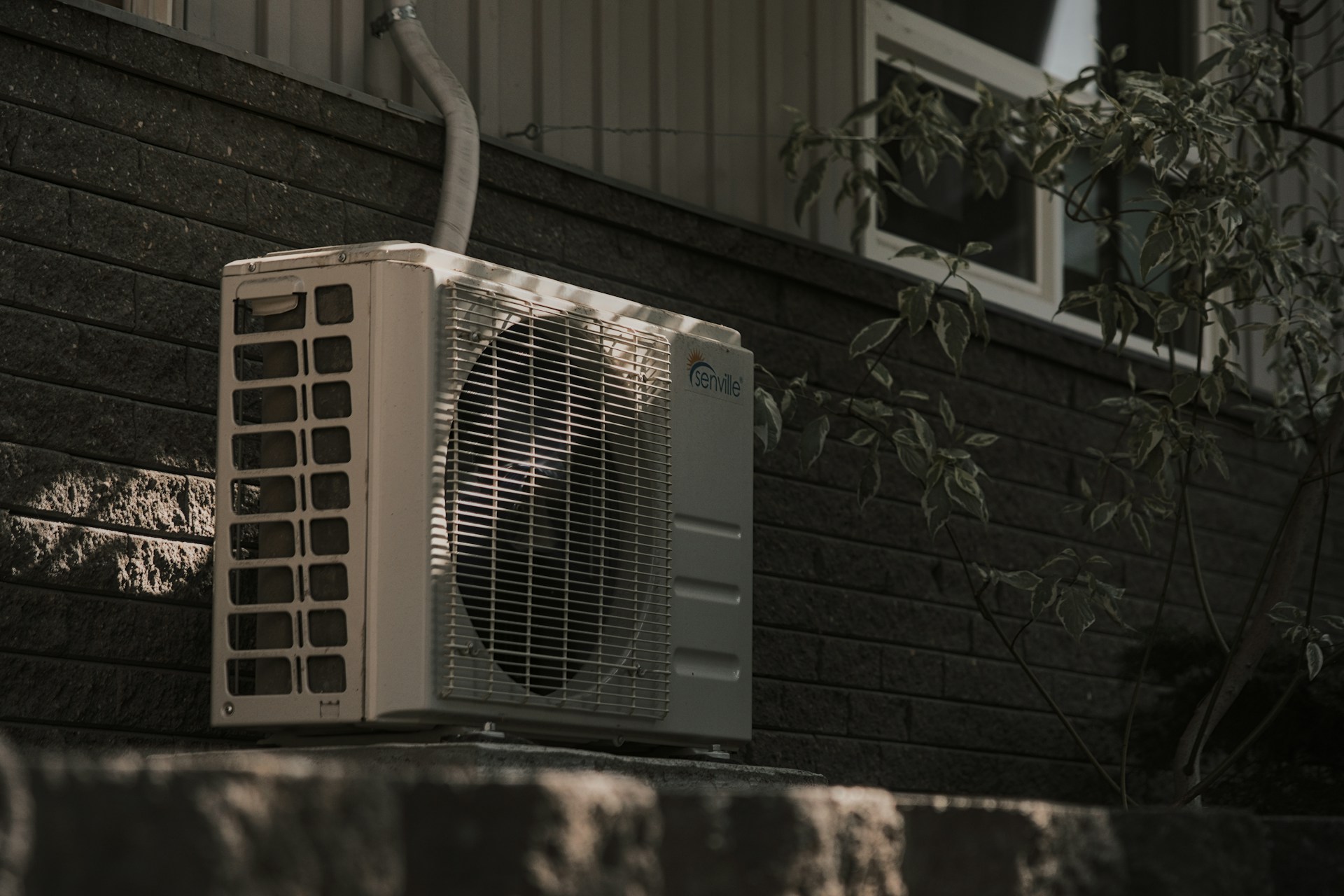
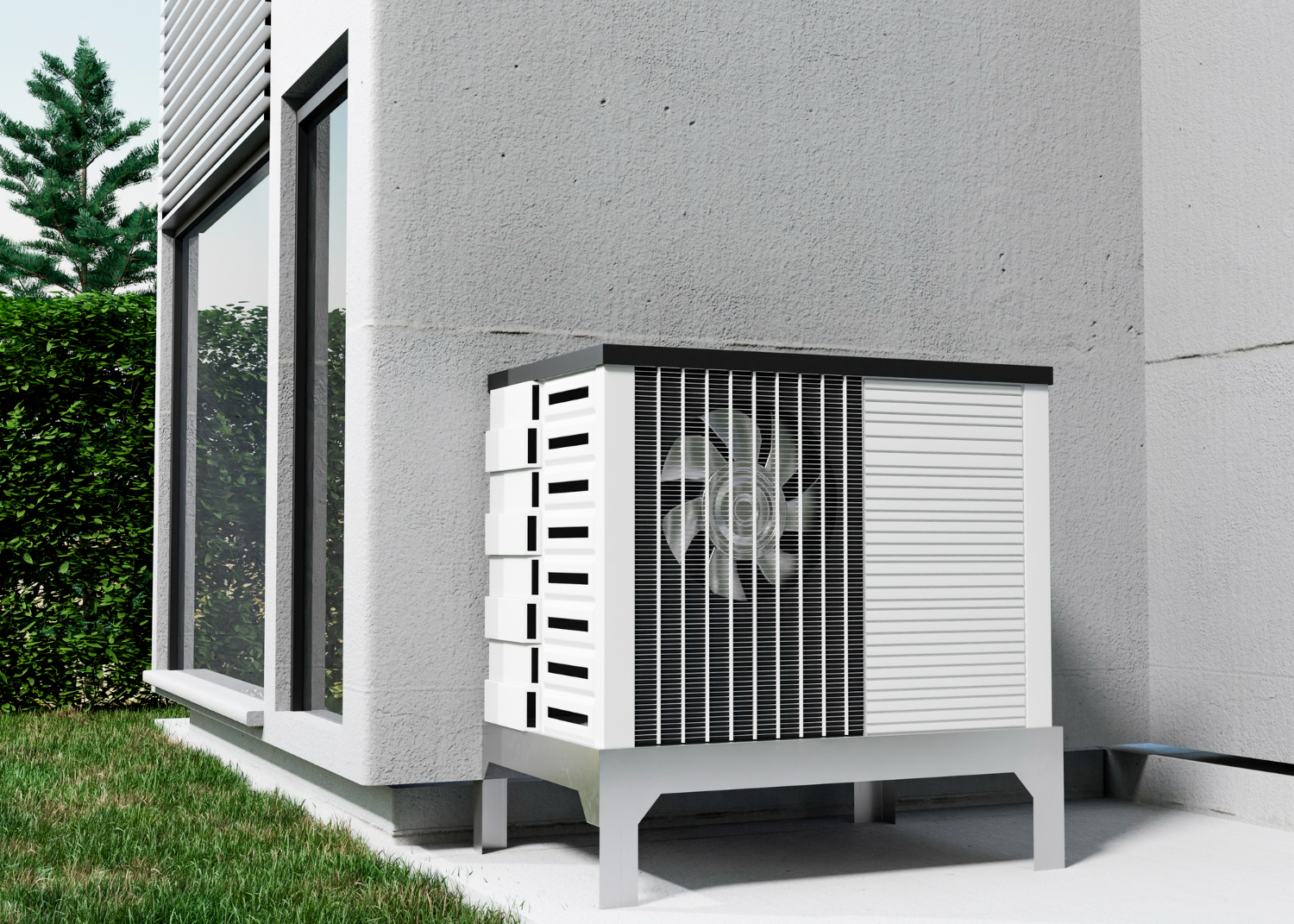
Leaves, dirt, and other debris can collect around your outside unit. This blockage affects airflow and makes it harder for the system to absorb and move heat indoors. If your heat pump’s outdoor unit looks dirty or covered in buildup, that could explain why your home doesn’t feel warm enough.

Sometimes the problem is one of these issues, or it might be a combination. For example, one Lake City homeowner noticed their system couldn’t maintain heat even after changing the filter. Eventually, it turned out both refrigerant levels and a blocked coil were limiting performance. That’s why it’s important to work through all possible causes when diagnosing a heat issue.

Basic Troubleshooting Steps You Can Take

Before calling for help, there are a few logical steps that any homeowner in Lake City can take to check their system. These tasks can help narrow down what might be interrupting proper heat pump operation:

– Set the thermostat to heat mode and ensure it’s programmed to a temperature higher than the room temperature. Then wait to see if the system responds correctly.
– Check and replace the air filters if they appear dusty or packed with debris. Try to do this monthly, especially during heavy-use seasons.
– Walk outside to inspect the outdoor unit. Remove any leaves, twigs, or grass clippings around the casing. Make sure pets or objects haven’t blocked airflow.
– Look around the refrigerant lines for any ice buildup, oil spots, or dripping water. These can be signs the refrigerant levels are off, though you shouldn’t attempt repair on your own.

If these steps don’t improve performance or the heat pump still isn’t running right, that’s a good time to stop troubleshooting and contact our technicians. Tampering with parts like refrigerant lines or handling electric components without training can turn a small fix into a larger issue.

When to Contact Our Professionals

If your heat pump isn’t heating properly, and the basic steps haven’t made a difference, it’s time to involve our professionals. Certain problems go beyond dirty filters or thermostat settings and require special tools, experience, and training to handle. Ignoring them could strain your system or lead to permanent damage.

Here are signs that indicate it’s time to let our technicians take control:

– You’ve noticed ice forming on the refrigerant lines or outdoor unit
– The system repeatedly switches on and off without reaching the set temperature
– Airflow from the vents feels weak or barely warm
– The unit is making new or louder noises
– You detect a burning smell or anything that seems unsafe

These markers usually point to hidden electrical faults, refrigerant leaks, or internal mechanical issues. Heat pumps rely on a range of components that must work together. If one part fails, the whole system suffers. Our technicians have seen every type of issue with heat pump systems in Lake City and have the tools to diagnose and fix problems safely.

Getting timely help avoids breakdowns at the worst possible moments. It also extends the life of equipment and helps maintain steady heating and cooling year-round. When you’re unsure, it’s better to call before small issues spiral into expensive repairs.

Routine Maintenance Tips for Heat Pumps

Keeping a heat pump in good working condition takes more than just occasional attention when something goes wrong. Regular maintenance can make a big difference in helping your system last longer and work better. For Lake City homeowners, building some care into your routine can reduce stress down the road.

Here’s how to stay ahead of heat pump troubles:

– Change your air filters every 30 to 60 days, depending on usage
– Keep the area around the outdoor unit trimmed and clear of debris or clutter
– Rinse or gently wash outdoor unit coils when they appear dirty
– Watch for rising energy bills or noticeable changes in comfort and airflow
– Schedule a professional tune-up at least once a year

These simple steps prevent buildup, support normal airflow, and give you peace of mind. Over time, small pieces of dust and outdoor dirt accumulate and slow down how well the system runs. Left unchecked, even everyday wear and tear can lead to reduced heating and higher utility bills.

If you spot anything strange during your regular checks like leaks, odors, or sounds it may be a sign that larger issues are forming, and it’s best to have our technicians take a look.

Keep Your Lake City Home Comfortable Every Season

Quick action and proper maintenance go a long way in keeping your heat pump running right when you need it. A unit that loses performance during milder weather can become a bigger issue once it faces the demand of hotter seasons. Addressing small heating concerns early makes your home more reliable and your energy use more efficient over time.

Lake City homeowners benefit from having a plan. Ongoing maintenance, attention to warning signs, and reaching out for expert help at the right time will make sure your heat pump system is ready for whatever the Florida weather brings. Whether you’re getting ready for long cooling days or simply trying to keep your home comfortable at night, every step you take helps avoid unwanted surprises later.

For reliable performance and lasting comfort in your home, Lane Heating and Air understands the challenges Lake City residents face when a heat pump stops working properly. If you are experiencing ongoing issues, learning more about heat pump systems in Lake City can help you identify effective solutions while keeping your equipment running efficiently. For a quick estimate or to book a service visit, please contact us today.

Heat Pump

Heat Pump Defrost Problems: Signs and Solutions

Heat pump systems in Lake City work hard to provide year-round comfort, but when something goes wrong with the defrost cycle, it can leave your home feeling cold and uncomfortable. During summer, the heat pump may not need to defrost often, but if you’re seeing signs of trouble even in warmer conditions, it’s a good idea to understand what could be happening. A struggling defrost cycle not only affects comfort but can also raise energy bills and cause long-term damage to your system.

Ignoring defrost issues can lead to much bigger troubles over time. Ice buildup, strange noises, and reduced heating performance are just a few signs that something’s not working the way it should. When those signs show up, it’s time to take a closer look. Homeowners in Lake City deal with high humidity and shifting weather, which can add pressure on heat pump systems that aren’t maintained well. Knowing what to watch for and when to act can give your equipment the best chance at running well all season long.

Common Signs Of Defrost Problems

Most homeowners don’t think about defrost cycles until their heat pump starts acting up. A healthy system should keep warm air moving evenly, without strange noises or performance drops. But when something goes wrong with the defrost function, it usually shows itself in a few common ways.

Watch out for these signs that your heat pump may not be defrosting correctly:

– Ice builds up on the outdoor unit even after running for a while
– The system struggles to keep the home warm during cooler mornings or late evenings
– You hear loud clicks, rattles, or buzzing sounds in short bursts when the unit changes modes
– Defrost cycles are happening more often than usual or lasting too long
– There is warm air blowing out weaker than usual, especially when the unit switches from heating to cooling

Homeowners sometimes notice ice sitting on the coils even on sunny days. It may melt off later, but it’s a warning sign if it keeps coming back. Another clue is the furnace or backup heating running longer, which points to the heat pump falling behind. These signs don’t always mean the heat pump is broken, but they’re early flags that something needs attention.

Causes Of Defrost Problems

Several issues inside the system can trigger faulty defrost performance. Each of those parts works together during cycles where heat is drawn in, pushed out, or reversed. If even one component isn’t working correctly, it can throw the entire system off balance.

Here are some of the most common causes:

1. Malfunctioning defrost thermostat – This controls when the unit enters defrost mode. If it sends the wrong signal, your system might stay iced over too long or defrost too often

2. Faulty defrost control board – This small part controls decisions like how long the unit should run the cycle. If it’s not working right, your system may delay defrosting or stop doing it entirely

3. Reversing valve issues – The reversing valve switches your heat pump between heating and cooling. When it sticks or fails, it may prevent the defrost cycle from working as expected

4. Restricted airflow – Leaves, dirt, or dust buildup in or around the outdoor unit can reduce airflow. When airflow is blocked, moisture freezes before the system has a chance to move heat properly. That leads to ice buildup and longer defrost times

Lake City’s humid weather combined with outdoor debris can make airflow problems worse. During the summer, storms can blow leaves up against the coils and block circulation. If ignored, even small airflow issues can lead to bigger mechanical problems inside the unit. Regular system checks and keeping the outside unit clean are good first steps, but when defrost problems continue, deeper inspection by a trained technician is needed.

Solutions To Fix Defrost Problems

Once you’ve spotted the warning signs and have a good idea of what might be causing the issue, finding a solution becomes the next step. Preventing long-term damage means staying ahead of common problems and knowing when to bring in extra help.

There are several steps homeowners in Lake City can take to reduce or eliminate defrost problems:

– Schedule regular system checks to catch issues with sensors, valves, or control boards before they fail completely

– Keep the outdoor unit clean and clear of dirt, grass clippings, or leaves. Even a minor blockage can affect airflow and trigger unnecessary defrost cycles

– Have our technicians examine and test the defrost control board. If this small part starts malfunctioning, it can create delays, run the cycle too long, or stop it from starting

– Verify proper airflow around the unit to avoid frost forming more often than needed. If there are obstructions such as fencing, shrubs, or patio furniture, that blocked space can create performance problems

– Ensure the refrigerant level is correct. Low refrigerant can contribute to freezing and inefficient heat transfer, which leads to more strain on the defrost system

Even when all simple steps are taken, repairs tied to electronics and valves are best handled by trained professionals. For example, a Lake City homeowner once thought their heat pump needed replacement because it constantly iced over. After a technician replaced a faulty sensor and cleaned debris from the back of the unit, it returned to normal within the same day. What seemed like a major fix turned out to be a fairly simple repair made at the right time with the right tools.

Why Professional Service Matters

Heat pump systems involve electrical controls, pressurized components, and moving parts that require proper inspection. When any single part begins to wear down or misread conditions, the entire system can struggle to do its job. If frost continues building up or you notice your home’s comfort dropping, it’s time to stop guessing.

Our professionals have the tools and knowledge to pinpoint what’s failing and how it affects defrost mode. Leaving issues like frozen coils or stuck valves unresolved can lead to higher bills, damaged parts, or full breakdowns. What may be a quick repair today could become a full replacement later, especially if the root cause is overlooked.

Our technicians also understand how Lake City’s summer conditions factor in. Unique climate patterns can impact how often systems cycle or how quickly heat is released. That’s why having the system reviewed by a local expert matters. It helps make sure the fix takes into account conditions specific to your area and usage.

Preventing future issues is just as important as solving the current one. Our professionals can also recommend small adjustments or regular care tips to prevent repeat breakdowns, even once your system is back to normal.

Keeping Your Heat Pump Running Right In Lake City

Comfort and system performance go hand-in-hand. Homeowners in Lake City know how quickly summer storms, high humidity, and shifting temperatures can wear on outdoor systems. That’s why it pays to stay on top of it before small issues grow into bigger problems.

Routine care like keeping the area around your outdoor unit clear, replacing filters on time, and scheduling inspections can help prevent defrost issues. Staying alert to new noises or changes in airflow makes a big difference. Even heat pumps that seem to run well can have hidden signs that only trained technicians will catch.

Maintenance is about more than tuning things up. It’s about protecting your comfort, avoiding unexpected surprises, and keeping your equipment working smoothly as the seasons change. When your system is reliable, you get fewer headaches and better peace of mind.

At Lane Heating And Air, we understand how important it is for your heat pump to operate smoothly through every season. If you’ve experienced issues with your system’s defrost cycle, learning more about heat pump systems in Lake City can help you better understand your options. For a quick estimate or to book a service visit, please contact us today.