

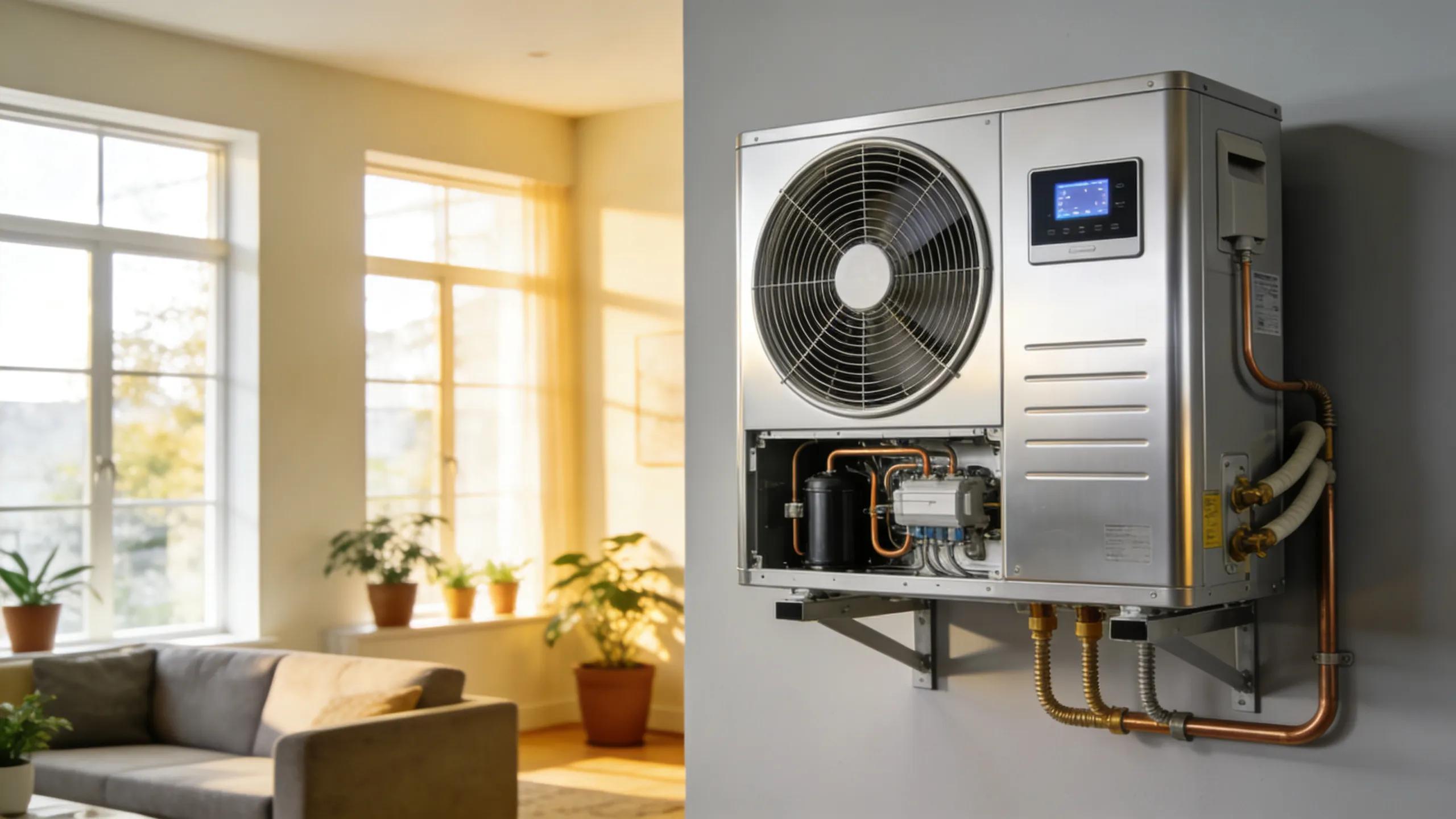
Strange Noises from Your HVAC Unit? Comprehensive Diagnosis and Reliable Solutions
We at Lane Heating & Air, LLC understand how unsettling strange noises from your HVAC unit can be. Such noises often indicate underlying problems that may affect your systems efficiency and lifespan. Recognizing the significance of these sounds empowers you to take the right steps, whether troubleshooting minor issues or contacting our professional team. In this article, we will walk you through typical HVAC noises, their causes, and what they mean for your home comfort here in Lake City, FL. We cover sounds like hissing, clicking, banging, buzzing, and whistling, providing you with clear guidance on when to reach out for expert help.
Potential Causes:
When your HVAC system produces strange noises, identifying the cause is essential. Each sound your system makes can hint at specific issues, and ignoring them can lead to decreased performance or costly repairs. Here are some common causes we encounter:
- Mechanical Wear: With time, components in your HVAC system naturally wear down. This wear can generate diverse noises that signal the need for maintenance or replacement.
- Loose Parts: Rattling often occurs when screws, casings, or other parts become loose. Securing these parts can prevent further damage and noise.
- Blocked Airflow: Dust and debris buildup can block air pathways, causing unusual sounds as air struggles to pass through. Regular cleaning keeps airflow smooth.
- Electrical Issues: Clicking or buzzing noises might indicate electrical problems, which, if unaddressed, could pose safety risks.
- Refrigerant Leaks: Hissing sounds often signal leaks in refrigerant lines, affecting your system’s cooling efficiency and environmental impact.
Understanding these causes is the first step. For detailed diagnosis and trusted solutions, our team at Lane Heating & Air, LLC in Lake City, FL is ready to assist with expert troubleshooting and repairs.
What Are the Common Types of Noises in HVAC Units?
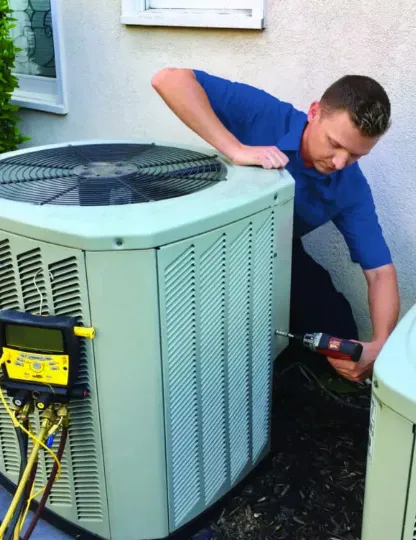
Identifying the type of noise your HVAC unit makes can steer you toward the right solution. Each sound corresponds to typical issues affecting your systems operation and efficiency here in Lake City, FL.
Hissing:
The hissing noise you might hear is usually caused by a refrigerant leak. Such leaks reduce cooling effectiveness and cause your system to work harder, increasing energy expenses. Prompt professional intervention is essential to locate and repair leaks, ensuring your HVAC system operates at optimum efficiency and safety.
Clicking:
Clicking sounds often stem from electrical malfunctions like faulty relays or loose connections within the unit. These noises can disrupt operation and indicate potential hazards. Regular inspection and timely repairs by our technicians can prevent complications and keep your system running smoothly.
Banging:
Banging noises usually indicate loose or damaged internal parts such as compressor issues or duct disconnections. These sounds signal serious concerns that require you to power down the system immediately and contact us for a comprehensive inspection and repair to avoid costly damage.
Buzzing:
A buzzing sound is commonly linked to a failing motor or loose electrical wiring. This issue increases the risk of further electrical failures, which could be dangerous. Prompt detection and repair by our skilled technicians can protect your home and extend your systems life.
Whistling:
Whistling noises often result from airflow restrictions due to clogged or damaged ducts. These restrictions lower system efficiency and increase energy costs. Our thorough duct inspections and cleaning services can remove blockages to restore proper airflow and comfort.
Diagnosis and Solutions:
Correctly diagnosing noise sources allows for effective maintenance and repair. Here are practical steps you can take while we are available to provide professional support:
- Listen Closely: Pay attention to the noise type and timing to help us pinpoint the problem quicker when you consult our team.
- External Inspection: Check for visible damage or wear on accessible parts without opening the unit, and relay your observations to us.
- Document Changes: Keep a detailed account of when and how the noises occur; this information helps us diagnose issues efficiently.
When problems are complex or persistent, our experienced professionals at Lane Heating & Air, LLC in Lake City, FL are here to provide detailed diagnostics and reliable repairs you can trust.
How Do Rattling, Banging, and Squealing Noises Differ?
Understanding the distinctions between rattling, banging, and squealing noises can assist in addressing HVAC issues effectively:
- Rattling usually highlights loose components. We recommend securing these parts early to prevent further damage.
- Banging often points to more serious internal problems, such as a failing compressor, which require immediate professional attention from our team to avoid system failure.
- Squealing typically indicates problems with belts or blower motors. Prompt service helps us replace or repair these parts before extensive damage occurs.
Recognizing these differences can help you decide when to seek our expert assistance.
Which Components Typically Produce Each Type of Noise?
Knowing which parts produce specific sounds allows us to diagnose your HVACs condition more effectively:
- Compressor: Responsible for rattling or banging noises when parts become loose or damaged, signaling a need for professional inspection.
- Blower Motor: Buzzing or squealing noises from this component indicate motor issues or obstructions we can help resolve.
- Ductwork: Whistling or hissing is often due to airflow restrictions or leaks in your ducts, which our cleaning and repair services address.
How to Diagnose Noises by HVAC System Component?
Following a methodical approach to pinpoint the noise source is essential in efficient problem-solving, and we guide you through this:
- Start with the Compressor: Listen for banging or rattling as signs of mechanical wear or component failure that need immediate service.
- Examine the Blower Motor: Buzzing or squealing sounds here suggest motor or electrical issues prompting inspection.
- Inspect Ducts: Whistling or hissing in ductwork may indicate blockages or leaks. We recommend professional cleaning or repairs to restore airflow.
This process helps you understand your system better and facilitates quicker assistance from our technicians.
What Does Rattling Indicate About Your AC Unit?
Rattling in your air conditioning unit generally means some parts are loose or failing. It may stem from screws or bolts loosening over time, or from failing internal components. Addressing rattling noises promptly with our professional inspection helps prevent escalated damage and maintains system reliability.
Why Is Your Furnace Making a Banging Sound?
Banging noises from your furnace often happen due to delayed ignition or loose components. Delayed ignition causes gas buildup before ignition, creating loud bangs which can be hazardous. Loose panels or parts may also produce such sounds and risk further damage. We recommend scheduling an expert furnace inspection with Lane Heating & Air, LLC to ensure safety and proper operation.
What Are the Safety Risks Associated with Unusual HVAC Noises?
Unusual sounds from your HVAC unit can be more than just annoyingthey may signal safety concerns you should not overlook:
- Mechanical Failures: Ignoring odd noises can lead to breakdowns requiring significant repairs and disrupting your homes comfort.
- Electrical Hazards: Buzzing or clicking noises may indicate electrical problems that could cause fires if not addressed quickly.
- Indoor Air Quality: Issues that produce noise can also affect airflow and air quality, potentially impacting your familys health.
When Do Noises Signal Potential HVAC System Failures?
Certain persistent noises like banging, buzzing, or hissing are red flags for looming failures. Monitoring these sounds and contacting us promptly ensures we can prevent extensive damage and maintain your systems reliability.
How Do Loud HVAC Noises Affect Home Safety and Comfort?
Loud or unusual noises not only disrupt your living environment but may also compromise safety. Electrical issues indicated by buzzing or clicking require immediate professional attention. Mechanical failures, like banging, risk further damage and system failure. Beyond safety, inefficiencies from these problems can increase your energy costs. We at Lane Heating & Air, LLC aim to address these concerns swiftly to protect your comfort and budget.
What Are Effective DIY Troubleshooting Steps for HVAC Noise Issues?
Before reaching out, there are some practical steps you can take to manage minor noise problems safely:
- Tightening Loose Components: Regularly check and secure accessible screws or panels. Loose parts can cause rattling and unnecessary wear.
- Cleaning Filters and Ducts: Keeping filters and ducts clean improves airflow and reduces noises caused by restrictions.
- Monitoring System Performance: Watch for changes in how your HVAC operates. Early detection of noises helps us intervene before problems worsen.
Implementing these actions can alleviate minor issues, but we recommend consulting us when noises persist.
How Can Homeowners Identify and Fix Minor Noise Problems?
Minor noises can often be managed with basic care:
- Inspect visible parts for looseness or wear during routine checks and ensure all fasteners are secure to prevent rattling.
- Clean or replace air filters regularly to maintain smooth airflow and reduce sounds caused by blockage.
- Keep a log of when noises occur to provide us with detailed information for accurate diagnosis and repair.
Knowing when an issue requires professional attention versus a simple fix helps maintain your system efficiently.
When Is It Necessary to Call a Professional HVAC Technician?
It is essential to contact our experts at Lane Heating & Air, LLC when:
- Persistent Noises: Noises that continue despite your own troubleshooting efforts need professional evaluation to prevent escalation.
- Safety Risks: Sounds suggesting electrical hazards require immediate expert intervention to avoid potential dangers.
- Complex Issues: Problems that might lead to system failure should be addressed quickly by trained technicians to safeguard your investment.
Our team in Lake City, FL provides diagnostic and repair service for these situations.
What Are the Latest Technologies in HVAC Noise Detection and Repair?
We embrace cutting-edge technologies to enhance how we detect and resolve noise-related HVAC issues. These advancements allow us to act early, minimizing repair times and improving system longevity.
How Do Smart Sensors Improve HVAC Noise Monitoring?
Smart sensors integrated into modern systems monitor real-time sound levels and performance data. This technology enables us to detect abnormalities early and alert homeowners before issues become serious, ensuring continuous comfort and system health.
What Advances Enhance Accurate Diagnosis and Efficient Repair?
Innovations such as precision diagnostic tools and machine learning enable our technicians to analyze sound patterns and system behavior with high accuracy. This approach accelerates repairs, reducing your HVAC downtime and maintaining energy efficiency in your Lake City, FL home.
How Can Preventive Maintenance Reduce Strange HVAC Noises?
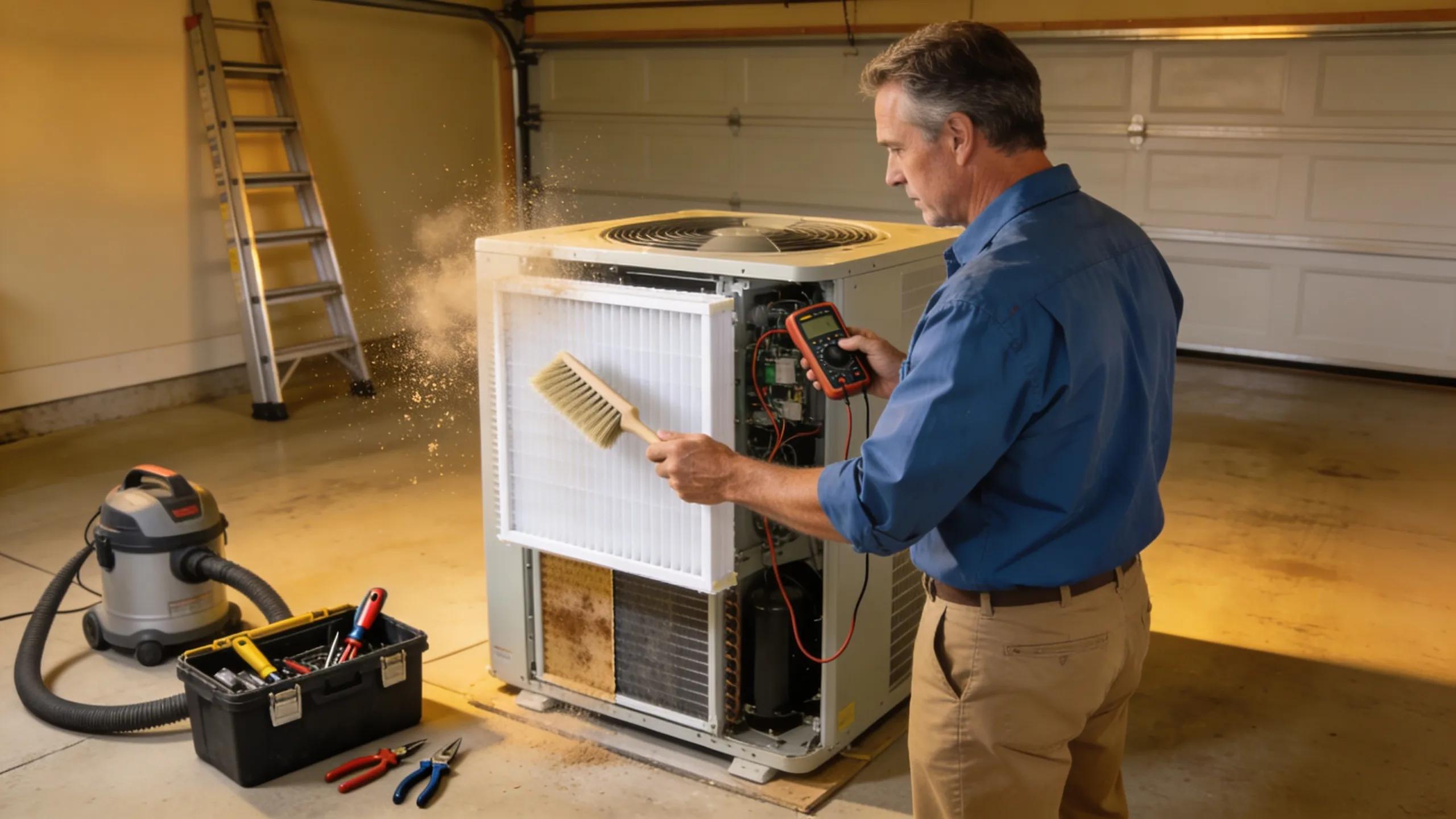
Routine preventive maintenance is vital in minimizing unexpected noises and prolonging your HVAC systems life. Scheduling regular checks helps us identify and correct issues early, ensuring steady performance and comfort.
Which Maintenance Practices Minimize Noise-Related Failures?
To reduce noise-related issues, we recommend the following practices:
- Regular Inspections: Arrange for professional inspections annually so we can detect and resolve potential problems proactively.
- Cleaning: Keep filters and ducts clean through regular maintenance to improve airflow and lower strain on system components.
- Tuning Up: Periodic tune-ups ensure all parts function correctly, which prevents mechanical noise from developing.
Consistent maintenance with our team enhances your systems efficiency and comfort.
What Are Recommended Maintenance Schedules for Noise Prevention?
Adhering to a maintenance schedule significantly helps prevent noise issues:
- Filter Changes: Replace filters every 1 to 3 months depending on use and filter type to maintain clean air and steady airflow.
- Annual Inspections: Schedule yearly professional check-ups to keep all HVAC components in top condition.
- Duct Cleaning: Plan for duct cleaning every 3 to 5 years to remove buildup that causes airflow restrictions and noise.
Following these guidelines with our assistance keeps your HVAC system running quietly and efficiently year-round.
Contact Us for Expert HVAC Noise Diagnosis and Repair
If youre experiencing unusual noises from your HVAC unit in Lake City, FL, dont wait until minor sounds become major problems. At Lane Heating & Air, LLC, we provide system diagnosis, repairs, and preventive maintenance to restore and maintain your systems performance. Reach out to us to schedule a professional inspection and keep your home comfortable and safe all year long.