AC Drain Line Clog: Causes, Symptoms, and Repair Solutions for HVAC Water Leakage in Lake City, FL
At Lane Heating & Air, LLC, we understand how frustrating and potentially damaging an AC drain line clog can be for homeowners in Lake City, FL. Our team is dedicated to helping you identify the causes, recognize symptoms early, and implement the most effective repair solutions to protect your HVAC system from water leakage and damage. We believe that a well-maintained system not only prolongs its lifespan but also ensures indoor comfort and air quality year-round.
Causes of AC Drain Line Clogs
Clogged AC drain lines typically stem from several key factors that compromise your system’s efficiency. Over time, dirt and debris accumulate inside the line, obstructing water flow and causing moisture to build up. Improper installation can result in bends or dips in the drain line that trap debris and water, setting the stage for clogs. Additionally, frozen evaporator coils—common in humid conditions—can create ice blockages that disrupt drainage. When drain pans become full due to such blockages, water can back up and eventually leak, putting your home at risk of structural damage.
Symptoms of a Clogged AC Drain Line
We advise homeowners in Lake City, FL, to watch closely for telltale signs that could indicate a clogged drain line. These symptoms include:
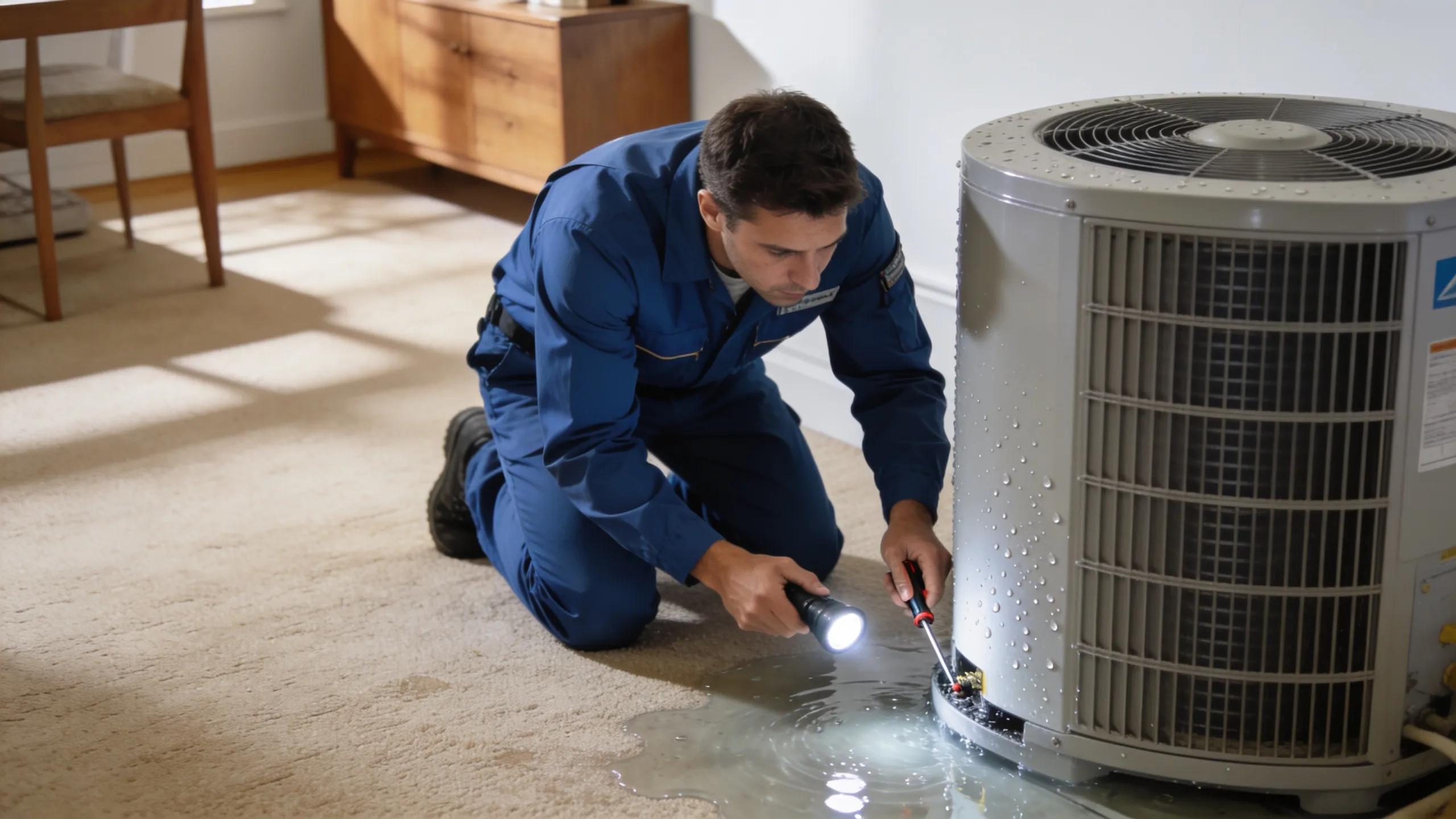
Pooling Water Around the AC Unit: Excess water gathering near your system suggests blockage issues. This stagnant water can lead to mold growth and damage surrounding structures.
Increased Indoor Humidity: Noticeably higher humidity levels indoors often point to drainage problems, as moisture is not properly expelled from your home.
Potential Structural Damage: Water leaks can cause stains, weakened walls, and ceiling damage if left unaddressed, which could become costly to repair.
Signs of System Malfunction: Unusual noises, reduced cooling performance, or unexpected system shutdowns can all be related to drainage complications affecting overall HVAC operation.
Early recognition of these signs allows us to work quickly, minimizing damage and comfort disruptions.
Repair Solutions We Provide
At Lane Heating & Air, LLC, we focus on diagnosing and addressing clogged AC drain lines. Here is how we assist our customers:
Immediate System Shutdown: We recommend turning off your AC unit as soon as you notice drainage symptoms to prevent water damage and flooding issues.
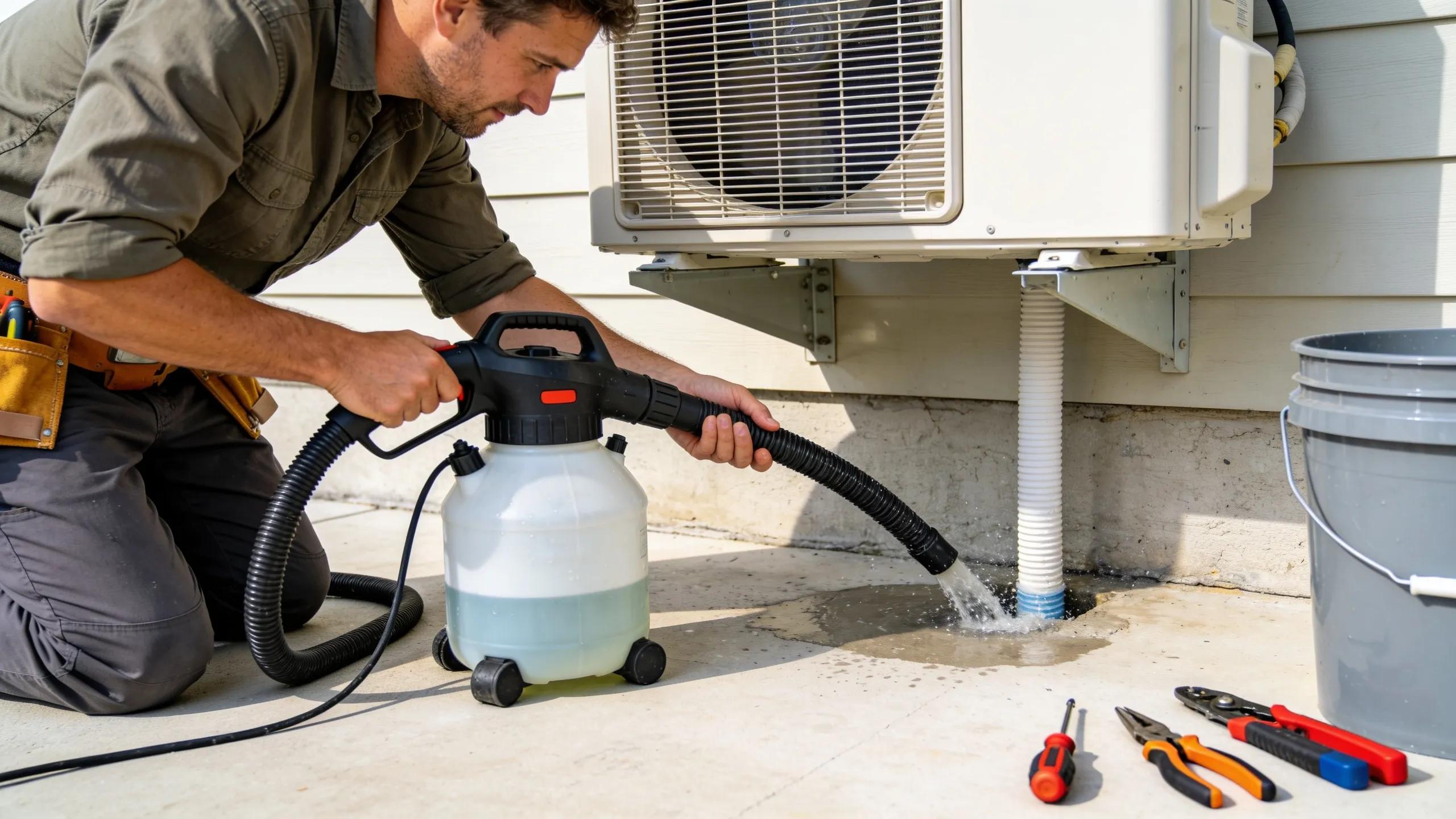
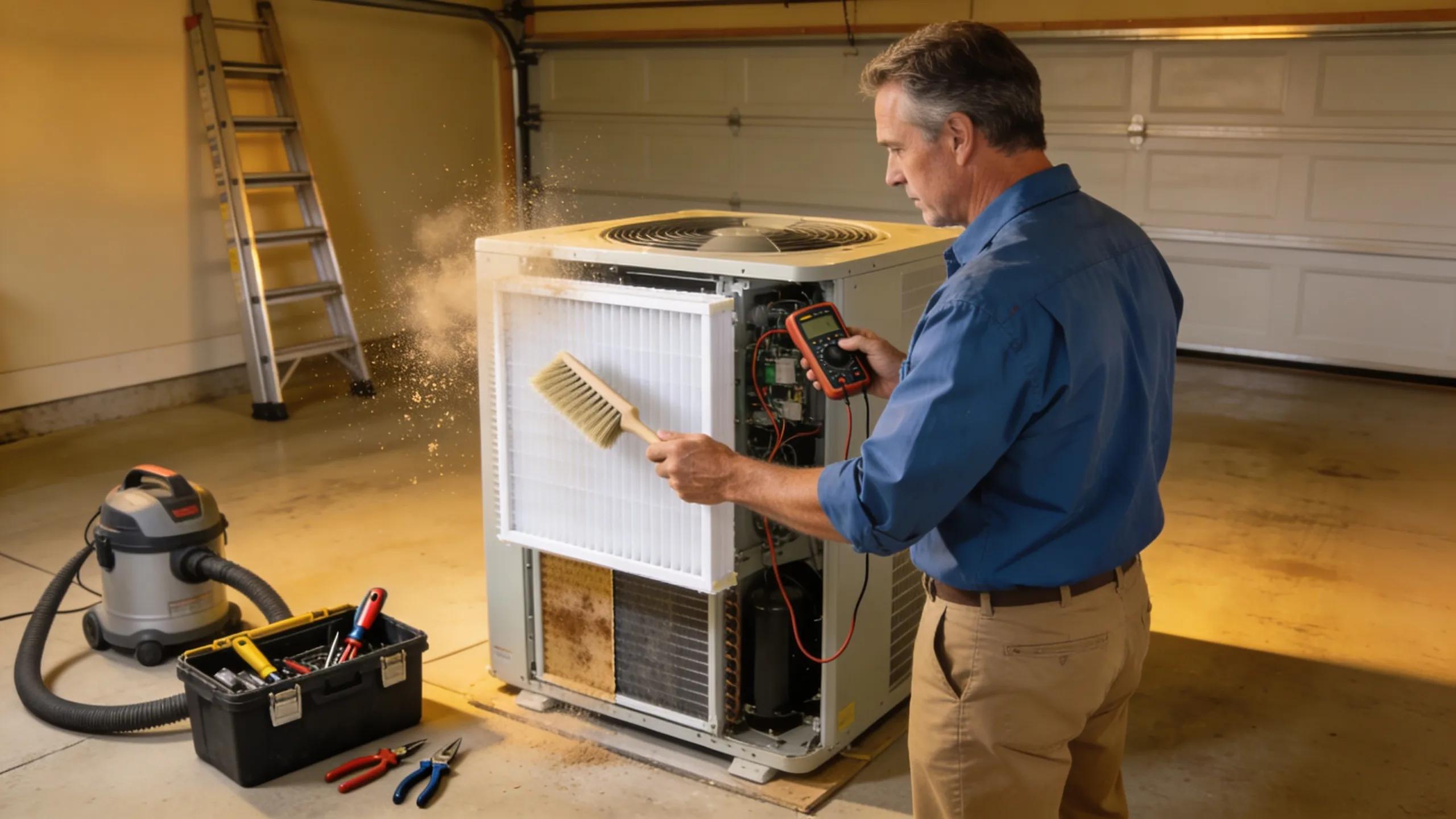
Home-Based Unclogging Techniques: Using tools like a wet/dry vacuum, we or you can safely remove blockages from the drain line, restoring proper water flow without invasive methods.
Routine Maintenance and Monitoring: We encourage regular inspections and cleaning schedules to avoid future clogs and maintain optimal system performance over time.
Implementing these steps helps protect your HVAC system and keeps your home comfortable and dry.
Preventive Measures for Drain Line Clogs
Preventing clogs before they happen is one of our key goals in Lake City, FL. We advise adopting these strategies:
Scheduled Air Filter Replacements: Changing filters every one to three months maintains air quality and reduces the chances of contaminants entering your system.
Regular Outdoor Drain Line Checks: Conducting inspections to clear debris and avoid blockages helps keep the condensate line functional and water flowing freely.
Annual Professional Maintenance: Booking routine service visits with our technicians ensures early detection of minor issues and maintains your system’s health long-term.
Regular care saves you from unexpected breakdowns and costly repairs while improving air quality and comfort.
Understanding Common Causes of Drain Line Clogs
Our experience shows that the buildup of dirt, debris, and algae combined with improper drain line installation often leads to clogs. Freezing conditions that cause evaporator coil icing and full drain pans exacerbate these issues. Recognizing these causes allows us to tailor maintenance and repair plans specific to your system’s needs.
How Debris and Algae Buildup Block the Condensate Drain Line
In our work with Lake City homes, we frequently find organic matter accumulation inside drain lines fosters algae growth. This slimy buildup creates blockages hindering proper water drainage. Regular cleaning with safe disinfectants removes slime, preventing obstruction and protecting your system’s integrity.
Physical Damage and Drain Pipe Issues
We often inspect for physical damage like cracked or corroded drain pipes that compromise drainage and increase clog risks. Identifying and repairing such issues early prevents leaks and maintains consistent water flow, ensuring your HVAC operates efficiently.
Symptoms Indicating AC Drain Line Clogs or Water Leakage
Being attentive to potential symptoms empowers you to seek timely help. Key indicators include:
Water Pooling Near Your AC Unit: This suggests overflow and requires immediate inspection to avoid damage.
Elevated Indoor Humidity: Signals inefficient moisture removal, often related to drainage problems.
Visible Water Damage Inside Your Home: Look for discoloration on walls or ceilings indicating leaks beneath the surface.
These signs should prompt you to contact our team at Lane Heating & Air, LLC for thorough evaluation.
Identifying Water Overflow and Drip Pan Problems
We monitor for the following to prevent severe water damage and system inefficiencies:
Damp Spots on Ceilings or Walls: Such markings often indicate ongoing leaks due to a malfunctioning drip pan or blocked drain line.
Unusual Dripping Sounds: These noises coming from the drip pan area suggest water is struggling to drain properly.
Need for Frequent Draining of the Pan: If you find yourself emptying the drip pan often, your system may need professional attention to clear clogs.
Detecting these early allows our technicians to act swiftly and prevent further complications.
Risks of Mold Growth and System Shutdowns
Ignoring clogged drain lines invites mold growth in moist areas—a serious health concern for your family. Over time, persistent water issues may cause your HVAC system to shut down to protect itself, leading to uncomfortable indoor temperatures. We address these risks proactively with specialized cleaning and maintenance techniques to safeguard your home environment.
Effective Cleaning and Maintenance Methods for AC Drain Lines
We follow comprehensive procedures to restore your system:
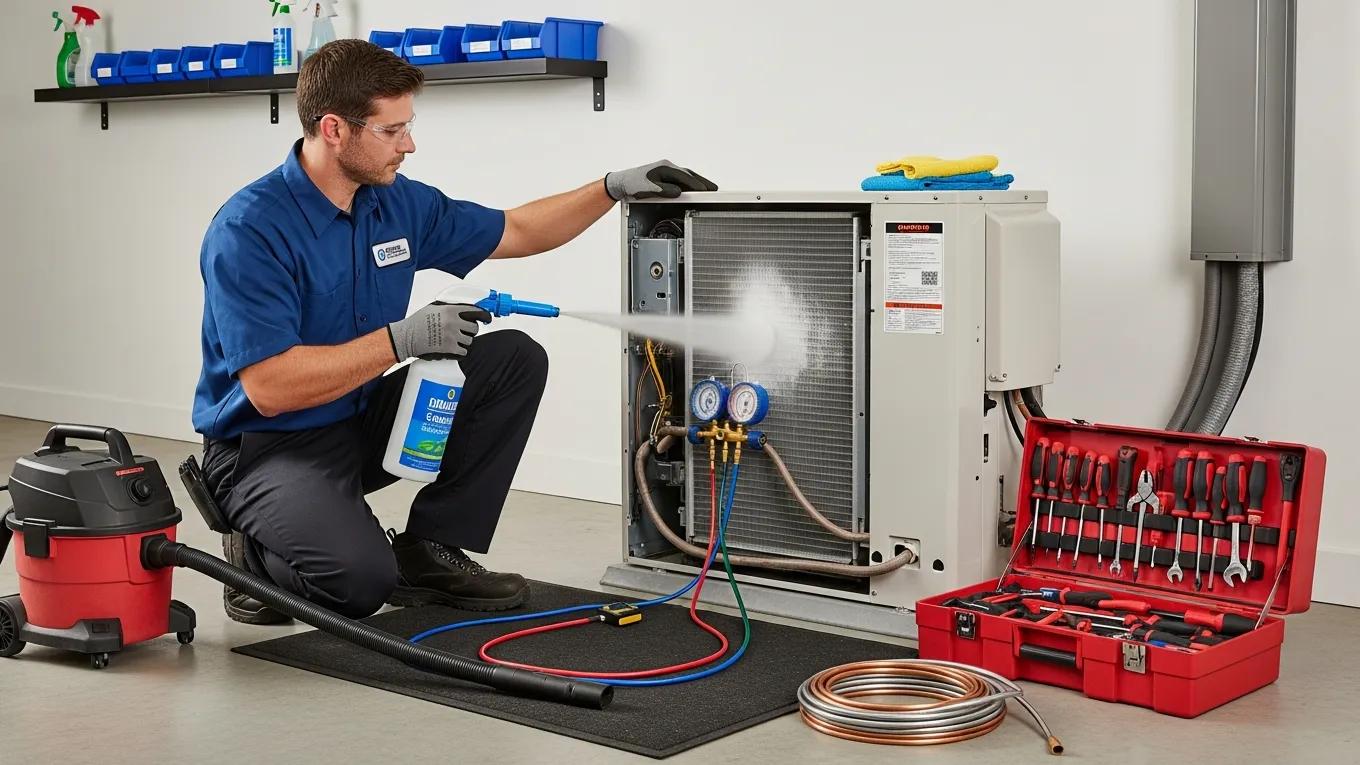
Step-by-Step AC Condensate Drain Cleaning: We first locate and power off the drain line. Then, using a wet/dry vacuum, we clear any blockages and apply a vinegar and water solution to disinfect and eliminate slime. Finally, we recheck the system’s operation to ensure effective drainage.
When to Consider Replacement or Professional Assistance: If home-based repairs fail or if we detect physical damage like cracks or corrosion, replacing the drain line or advanced professional interventions are necessary. Recurrent issues often signify deeper systemic problems requiring expert evaluation.
These approaches ensure prolonged functionality and peace of mind.
How Regular Maintenance Prevents Future Clogs
Routine inspections and cleaning of your HVAC condensate lines dramatically reduce the chances of future blockages. We emphasize scheduled maintenance to all our Lake City clients to maintain uniform airflow, efficient moisture removal, and overall system reliability.
Reducing Microbial Growth and Moisture Hazards
Our maintenance recommendations include thorough cleaning of drain lines, use of antimicrobial treatments, timely air filter replacements, and ensuring tight seals between ducts. These comprehensive practices promote healthier indoor air and minimize microbial proliferation.
Supporting Drain Line Health with Advanced Solutions
Modern advancements play a key role in our preventive strategies. We integrate systems with sensors that monitor moisture levels and alert us to abnormal conditions. Additionally, treatments that inhibit sludge and mold accumulation keep your drain lines clear, enhancing efficiency and reducing repair costs.
Consequences of Ignoring Blockages
Failure to address drain pipe blockages can lead to extensive water damage, expensive repairs, and health hazards from mold exposure. Clogged lines also force your HVAC system to work harder, increasing energy consumption and risking costly breakdowns.
Impact of Water Leakage on System Efficiency and Air Quality
Leaks degrade your HVAC’s ability to maintain comfortable humidity and temperature levels while compromising indoor air quality through mold and mildew growth. Additionally, an overworked system increases utility bills and accelerates wear.
Structural Damage from Drip Pan Overflow
Overflowing drip pans cause water stains and can weaken ceilings, walls, and flooring. Prolonged exposure leads to wood rot, mold, and in rental properties, potential liability for landlords. Timely maintenance and repair prevent these serious consequences.
Contact Us for Reliable AC Drain Line Services in Lake City, FL
If you’re experiencing issues with your AC drain line or want to ensure your HVAC system stays in top shape, our expert team at Lane Heating & Air, LLC is ready to help. We provide inspections, repairs, and preventative maintenance tailored to your needs. Reach out to us through our website or contact page to schedule a professional service appointment and safeguard your home’s comfort and health today.
Strange Noises from Your HVAC Unit? Comprehensive Diagnosis and Reliable Solutions
We at Lane Heating & Air, LLC understand how unsettling strange noises from your HVAC unit can be. Such noises often indicate underlying problems that may affect your systems efficiency and lifespan. Recognizing the significance of these sounds empowers you to take the right steps, whether troubleshooting minor issues or contacting our professional team. In this article, we will walk you through typical HVAC noises, their causes, and what they mean for your home comfort here in Lake City, FL. We cover sounds like hissing, clicking, banging, buzzing, and whistling, providing you with clear guidance on when to reach out for expert help.
Potential Causes:
When your HVAC system produces strange noises, identifying the cause is essential. Each sound your system makes can hint at specific issues, and ignoring them can lead to decreased performance or costly repairs. Here are some common causes we encounter:
Mechanical Wear: With time, components in your HVAC system naturally wear down. This wear can generate diverse noises that signal the need for maintenance or replacement.
Loose Parts: Rattling often occurs when screws, casings, or other parts become loose. Securing these parts can prevent further damage and noise.
Blocked Airflow: Dust and debris buildup can block air pathways, causing unusual sounds as air struggles to pass through. Regular cleaning keeps airflow smooth.
Electrical Issues: Clicking or buzzing noises might indicate electrical problems, which, if unaddressed, could pose safety risks.
Refrigerant Leaks: Hissing sounds often signal leaks in refrigerant lines, affecting your system’s cooling efficiency and environmental impact.
Understanding these causes is the first step. For detailed diagnosis and trusted solutions, our team at Lane Heating & Air, LLC in Lake City, FL is ready to assist with expert troubleshooting and repairs.
What Are the Common Types of Noises in HVAC Units?
Identifying the type of noise your HVAC unit makes can steer you toward the right solution. Each sound corresponds to typical issues affecting your systems operation and efficiency here in Lake City, FL.
Noise Type
Cause
Implication
Solution
Hissing
Refrigerant leaks
Loss of cooling efficiency
Contact us promptly so we can locate and repair the leak effectively.
Clicking
Electrical issues
Possible system failure
We will inspect wiring and connections and replace any faulty components to ensure safety.
Banging
Loose or damaged parts
Risk of severe internal damage
Turn off your system and let our professionals assess and fix the problem safely.
Buzzing
Failing motor
Increased risk of motor failure
Arrange for immediate inspection with our team; we can recommend repair or replacement.
Whistling
Airflow restrictions
Reduced efficiency and higher energy costs
We can clear blockages or provide thorough duct cleaning services to restore performance.
Hissing:
The hissing noise you might hear is usually caused by a refrigerant leak. Such leaks reduce cooling effectiveness and cause your system to work harder, increasing energy expenses. Prompt professional intervention is essential to locate and repair leaks, ensuring your HVAC system operates at optimum efficiency and safety.
Clicking:
Clicking sounds often stem from electrical malfunctions like faulty relays or loose connections within the unit. These noises can disrupt operation and indicate potential hazards. Regular inspection and timely repairs by our technicians can prevent complications and keep your system running smoothly.
Banging:
Banging noises usually indicate loose or damaged internal parts such as compressor issues or duct disconnections. These sounds signal serious concerns that require you to power down the system immediately and contact us for a comprehensive inspection and repair to avoid costly damage.
Buzzing:
A buzzing sound is commonly linked to a failing motor or loose electrical wiring. This issue increases the risk of further electrical failures, which could be dangerous. Prompt detection and repair by our skilled technicians can protect your home and extend your systems life.
Whistling:
Whistling noises often result from airflow restrictions due to clogged or damaged ducts. These restrictions lower system efficiency and increase energy costs. Our thorough duct inspections and cleaning services can remove blockages to restore proper airflow and comfort.
Diagnosis and Solutions:
Correctly diagnosing noise sources allows for effective maintenance and repair. Here are practical steps you can take while we are available to provide professional support:
Listen Closely: Pay attention to the noise type and timing to help us pinpoint the problem quicker when you consult our team.
External Inspection: Check for visible damage or wear on accessible parts without opening the unit, and relay your observations to us.
Document Changes: Keep a detailed account of when and how the noises occur; this information helps us diagnose issues efficiently.
When problems are complex or persistent, our experienced professionals at Lane Heating & Air, LLC in Lake City, FL are here to provide detailed diagnostics and reliable repairs you can trust.
How Do Rattling, Banging, and Squealing Noises Differ?
Understanding the distinctions between rattling, banging, and squealing noises can assist in addressing HVAC issues effectively:
Rattling usually highlights loose components. We recommend securing these parts early to prevent further damage.
Banging often points to more serious internal problems, such as a failing compressor, which require immediate professional attention from our team to avoid system failure.
Squealing typically indicates problems with belts or blower motors. Prompt service helps us replace or repair these parts before extensive damage occurs.
Recognizing these differences can help you decide when to seek our expert assistance.
Which Components Typically Produce Each Type of Noise?
Knowing which parts produce specific sounds allows us to diagnose your HVACs condition more effectively:
Compressor: Responsible for rattling or banging noises when parts become loose or damaged, signaling a need for professional inspection.
Blower Motor: Buzzing or squealing noises from this component indicate motor issues or obstructions we can help resolve.
Ductwork: Whistling or hissing is often due to airflow restrictions or leaks in your ducts, which our cleaning and repair services address.
How to Diagnose Noises by HVAC System Component?
Following a methodical approach to pinpoint the noise source is essential in efficient problem-solving, and we guide you through this:
Start with the Compressor: Listen for banging or rattling as signs of mechanical wear or component failure that need immediate service.
Examine the Blower Motor: Buzzing or squealing sounds here suggest motor or electrical issues prompting inspection.
Inspect Ducts: Whistling or hissing in ductwork may indicate blockages or leaks. We recommend professional cleaning or repairs to restore airflow.
This process helps you understand your system better and facilitates quicker assistance from our technicians.
What Does Rattling Indicate About Your AC Unit?
Rattling in your air conditioning unit generally means some parts are loose or failing. It may stem from screws or bolts loosening over time, or from failing internal components. Addressing rattling noises promptly with our professional inspection helps prevent escalated damage and maintains system reliability.
Why Is Your Furnace Making a Banging Sound?
Banging noises from your furnace often happen due to delayed ignition or loose components. Delayed ignition causes gas buildup before ignition, creating loud bangs which can be hazardous. Loose panels or parts may also produce such sounds and risk further damage. We recommend scheduling an expert furnace inspection with Lane Heating & Air, LLC to ensure safety and proper operation.
What Are the Safety Risks Associated with Unusual HVAC Noises?
Unusual sounds from your HVAC unit can be more than just annoyingthey may signal safety concerns you should not overlook:
Mechanical Failures: Ignoring odd noises can lead to breakdowns requiring significant repairs and disrupting your homes comfort.
Electrical Hazards: Buzzing or clicking noises may indicate electrical problems that could cause fires if not addressed quickly.
Indoor Air Quality: Issues that produce noise can also affect airflow and air quality, potentially impacting your familys health.
When Do Noises Signal Potential HVAC System Failures?
Certain persistent noises like banging, buzzing, or hissing are red flags for looming failures. Monitoring these sounds and contacting us promptly ensures we can prevent extensive damage and maintain your systems reliability.
How Do Loud HVAC Noises Affect Home Safety and Comfort?
Loud or unusual noises not only disrupt your living environment but may also compromise safety. Electrical issues indicated by buzzing or clicking require immediate professional attention. Mechanical failures, like banging, risk further damage and system failure. Beyond safety, inefficiencies from these problems can increase your energy costs. We at Lane Heating & Air, LLC aim to address these concerns swiftly to protect your comfort and budget.
What Are Effective DIY Troubleshooting Steps for HVAC Noise Issues?
Before reaching out, there are some practical steps you can take to manage minor noise problems safely:
Tightening Loose Components: Regularly check and secure accessible screws or panels. Loose parts can cause rattling and unnecessary wear.
Cleaning Filters and Ducts: Keeping filters and ducts clean improves airflow and reduces noises caused by restrictions.
Monitoring System Performance: Watch for changes in how your HVAC operates. Early detection of noises helps us intervene before problems worsen.
Implementing these actions can alleviate minor issues, but we recommend consulting us when noises persist.
How Can Homeowners Identify and Fix Minor Noise Problems?
Minor noises can often be managed with basic care:
Inspect visible parts for looseness or wear during routine checks and ensure all fasteners are secure to prevent rattling.
Clean or replace air filters regularly to maintain smooth airflow and reduce sounds caused by blockage.
Keep a log of when noises occur to provide us with detailed information for accurate diagnosis and repair.
Knowing when an issue requires professional attention versus a simple fix helps maintain your system efficiently.
When Is It Necessary to Call a Professional HVAC Technician?
It is essential to contact our experts at Lane Heating & Air, LLC when:
Persistent Noises: Noises that continue despite your own troubleshooting efforts need professional evaluation to prevent escalation.
Complex Issues: Problems that might lead to system failure should be addressed quickly by trained technicians to safeguard your investment.
Our team in Lake City, FL provides diagnostic and repair service for these situations.
What Are the Latest Technologies in HVAC Noise Detection and Repair?
We embrace cutting-edge technologies to enhance how we detect and resolve noise-related HVAC issues. These advancements allow us to act early, minimizing repair times and improving system longevity.
How Do Smart Sensors Improve HVAC Noise Monitoring?
Smart sensors integrated into modern systems monitor real-time sound levels and performance data. This technology enables us to detect abnormalities early and alert homeowners before issues become serious, ensuring continuous comfort and system health.
What Advances Enhance Accurate Diagnosis and Efficient Repair?
Innovations such as precision diagnostic tools and machine learning enable our technicians to analyze sound patterns and system behavior with high accuracy. This approach accelerates repairs, reducing your HVAC downtime and maintaining energy efficiency in your Lake City, FL home.
How Can Preventive Maintenance Reduce Strange HVAC Noises?
Routine preventive maintenance is vital in minimizing unexpected noises and prolonging your HVAC systems life. Scheduling regular checks helps us identify and correct issues early, ensuring steady performance and comfort.
Which Maintenance Practices Minimize Noise-Related Failures?
To reduce noise-related issues, we recommend the following practices:
Regular Inspections: Arrange for professional inspections annually so we can detect and resolve potential problems proactively.
Cleaning: Keep filters and ducts clean through regular maintenance to improve airflow and lower strain on system components.
Tuning Up: Periodic tune-ups ensure all parts function correctly, which prevents mechanical noise from developing.
Consistent maintenance with our team enhances your systems efficiency and comfort.
What Are Recommended Maintenance Schedules for Noise Prevention?
Adhering to a maintenance schedule significantly helps prevent noise issues:
Filter Changes: Replace filters every 1 to 3 months depending on use and filter type to maintain clean air and steady airflow.
Annual Inspections: Schedule yearly professional check-ups to keep all HVAC components in top condition.
Duct Cleaning: Plan for duct cleaning every 3 to 5 years to remove buildup that causes airflow restrictions and noise.
Following these guidelines with our assistance keeps your HVAC system running quietly and efficiently year-round.
Contact Us for Expert HVAC Noise Diagnosis and Repair
If youre experiencing unusual noises from your HVAC unit in Lake City, FL, dont wait until minor sounds become major problems. At Lane Heating & Air, LLC, we provide system diagnosis, repairs, and preventive maintenance to restore and maintain your systems performance. Reach out to us to schedule a professional inspection and keep your home comfortable and safe all year long.
AC Not Cooling? Expert Troubleshooting & Repair Services for Efficient HVAC Solutions
When your air conditioner isn’t cooling properly, it can cause discomfort and frustration, especially during hot weather. At Lane Heating & Air, LLC, we understand how important a reliable cooling system is for your home or business in Lake City, FL. Knowing the common causes of AC failure helps you respond quickly and effectively. We provide expert troubleshooting and repair services to restore your system’s efficiency and comfort.
Reduced cooling performance affects more than just temperature; it can lead to higher energy bills, increased wear on components, and diminished indoor comfort. Early detection and a structured approach to repairs minimize downtime and save you money. We guide you on what to check safely and when to call our professional technicians for comprehensive diagnostics and repairs.
Many HVAC systems develop multiple faults that increase energy consumption and reduce comfort. Effective fault detection is essential to maintain system performance and indoor air quality.
Common Issues
Several common problems can reduce your AC’s cooling output. Identifying these early helps avoid costly repairs and prolonged discomfort. Here are frequent issues we encounter:
Clogged Air Filters: Dirty or clogged filters restrict airflow, forcing your system to work harder and reducing cooling efficiency. Regular filter replacement is crucial to maintain optimal performance and energy savings.
Malfunctioning Thermostat Sensors: Faulty thermostat sensors can cause inaccurate temperature readings, leading to improper cooling cycles. We recommend professional calibration or replacement to ensure your system responds correctly.
Improper Refrigerant Levels: Low refrigerant levels significantly impair cooling capacity. Leaks or insufficient charging require prompt attention to restore system function and prevent further damage.
Other common causes include frozen evaporator coils, blocked condenser fins, failing capacitors or relays, and short cycling due to oversized systems or control faults. These issues often manifest as reduced airflow, extended run times with little cooling, or frequent on/off cycles. Because some problems involve electrical components or refrigerants, we advise professional service to ensure safety and proper repair.
Diagnostic Techniques
At Lane Heating & Air, LLC, we use a systematic approach to diagnose AC problems accurately. Our diagnostic process includes:
Comprehensive Inspection: We thoroughly examine your entire system, including the compressor, evaporator coils, and ductwork, to uncover hidden issues that affect performance.
Testing Thermostats and Controls: We verify thermostat calibration and control functionality to ensure accurate temperature regulation and efficient operation.
Inspecting Ductwork: Leaks or blockages in ductwork reduce cooling efficiency. Our technicians check and repair duct issues to restore proper airflow.
Combining visual inspections with measurements such as airflow verification, temperature differentials, and component operation allows us to pinpoint faults precisely. We also measure refrigerant pressures and electrical currents when necessary to identify failing parts. Accurate diagnosis helps avoid unnecessary replacements and targets repairs that restore your system’s performance.
Efficient HVAC Solutions
To enhance your HVAC system’s efficiency, we recommend the following practical solutions:
Regular Maintenance: Scheduling routine maintenance with Lane Heating & Air, LLC helps identify potential issues early and keeps your system running smoothly. Preventive care reduces the risk of unexpected breakdowns and costly repairs.
Cleaning Essential Parts: Keeping components such as coils and filters clean ensures optimal airflow and cooling efficiency. Our technicians perform thorough cleaning during service visits to maintain peak performance.
Smart Thermostats: Upgrading to a smart thermostat allows better temperature control and scheduling, improving energy efficiency and comfort. We can help you select and install the right model for your needs.
Additional improvements include sealing and insulating ductwork, repairing damaged insulation, and ensuring adequate airflow around outdoor condenser units. Simple building upgrades like shading windows, enhancing attic insulation, and sealing gaps reduce cooling load and help your AC work more effectively.
Best Practices for Homeowners
As your trusted HVAC partner in Lake City, FL, we advise homeowners to adopt these best practices to maintain their AC systems:
Replace Air Filters Regularly: Changing air filters every 1-3 months prevents airflow restrictions and maintains system efficiency. This simple step can significantly improve cooling performance and indoor air quality.
Clear Vents: Keep air vents unobstructed to ensure proper airflow throughout your home. Blocked vents reduce cooling effectiveness and strain your system.
Schedule Annual Inspections: Professional inspections by Lane Heating & Air, LLC catch issues early and ensure your system operates efficiently year-round. Regular check-ups extend your system’s lifespan and reduce energy costs.
Seasonal checks add extra protection. In spring, clear debris from outdoor units, inspect condensate drains, and verify thermostat settings. In late summer or fall, review system run times and note any cooling reductions. Keeping a simple log of service dates and observations helps our technicians diagnose recurring issues quickly and recommend the best solutions.
What Are the Common Causes of an Air Conditioner Not Cooling?
Understanding common failure causes helps you take timely action. Typical reasons your AC may not cool properly include:
Incorrect Thermostat Settings: If the thermostat is set improperly, it may not activate the cooling cycle. We recommend checking settings and ensuring the thermostat is in cooling mode.
Dirty or Clogged Air Filters: As noted, dirty filters restrict airflow and reduce cooling efficiency. Regular replacement is essential to avoid this issue.
Low Refrigerant Levels: Insufficient refrigerant prevents effective heat absorption, leading to inadequate cooling. Prompt leak detection and recharge restore performance.
Recognizing these issues early allows you to contact Lane Heating & Air, LLC for expert service and restore your AC’s cooling capacity efficiently.
How Do Refrigerant Leaks Affect AC Cooling Performance?
Refrigerant leaks reduce your system’s ability to absorb heat, lowering cooling capacity. When refrigerant is low, your AC runs longer and harder, increasing energy consumption and reducing comfort. Prompt leak repair and refrigerant recharge are essential to restore proper function.
Signs of refrigerant leaks include reduced cooling, longer run times, ice on evaporator coils, and hissing or bubbling noises near piping. If you notice these symptoms, avoid running the system at full capacity to prevent further damage. Instead, turn off the unit and contact Lane Heating & Air, LLC for professional leak detection and repair.
What Role Does the Compressor Play in Cooling Failures?
The compressor circulates refrigerant through your AC system. Electrical faults or mechanical damage can prevent it from compressing refrigerant properly, causing poor cooling. Regular maintenance and timely repairs keep the compressor reliable and efficient.
Compressor issues often present as noisy outdoor units, frequent breaker trips, or failure to start. Our technicians check electrical supply, start components like capacitors and contactors, and inspect for mechanical wear. Addressing compressor problems early prevents costly downstream failures and maintains system reliability.
How Can You Troubleshoot Your Air Conditioner Effectively?
Before calling for professional help, you can perform some practical checks to identify minor issues:
Check Thermostat Settings: Confirm the thermostat is set to cooling mode and the desired temperature. Incorrect settings are a common cause of no cooling.
Inspect the Circuit Breaker: A tripped breaker can stop your AC from operating. Resetting it may resolve the problem, but if it trips repeatedly, professional inspection is needed.
Examine Air Filters: Check for dirty or clogged filters and replace them if necessary. Clean filters improve airflow and cooling efficiency.
Additional simple checks include ensuring the outdoor condenser unit is free of debris, verifying the condenser fan spins when the system runs, and confirming supply vents deliver cool air after 10–15 minutes of operation. If the outdoor unit does not run or you notice unusual odors or visible damage, stop and contact Lane Heating & Air, LLC to avoid electrical hazards or further damage.
What Are Step-by-Step Air Conditioner Troubleshooting Techniques?
For a more detailed approach, follow these steps carefully:
Safety First: Always turn off power to the AC unit before inspecting or attempting repairs to avoid injury.
Check for Unusual Noises: Listen for strange sounds that may indicate mechanical problems requiring professional attention.
Look for Water Leaks: Inspect around the AC unit for water leaks, which could signal condensate drain issues or other faults.
If you identify a safe, straightforward fix such as replacing a clogged filter or clearing debris, you can often resolve the issue immediately. For anything involving refrigerant, electrical components, or internal disassembly, contact Lane Heating & Air, LLC for expert service. Keeping a log of symptoms and actions taken helps us diagnose and repair your system more efficiently.
How to Identify Thermostat Malfunctions and Airflow Issues?
Check Thermostat Settings: Ensure the thermostat is set correctly and functioning properly. Faulty sensors or dead batteries can cause inaccurate temperature control.
Inspect Air Filters: Clogged filters restrict airflow and reduce cooling. Regular replacement is essential.
Listen for Odd Sounds: Unusual noises from your AC may indicate mechanical issues needing professional evaluation.
Thermostat problems can stem from poor placement near heat sources or direct sunlight, wiring issues, or battery failure. Replacing batteries and relocating the thermostat can improve accuracy. For persistent issues, our technicians test control circuitry and sensor calibration to ensure your system responds correctly.
Why Choose Professional AC Repair Services in Lake City, FL?
When cooling problems persist, professional repair is the best choice. At Lane Heating & Air, LLC, we offer several advantages:
Expertise: Our experienced technicians diagnose and repair complex AC issues efficiently, restoring your system’s performance.
Cost-Effectiveness: While DIY fixes may seem cheaper, professional repairs prevent further damage and costly future expenses.
Warranty Options: We provide warranties on our repairs, giving you peace of mind and confidence in our work.
Choosing Lane Heating & Air, LLC means your system receives knowledgeable care and reliable repairs. As a local company in Lake City, FL, we ensure code-compliant service and accessible follow-up support. We provide clear estimates, document all work, and explain your options so you can make informed decisions aligned with your budget and comfort needs.
How Does Expert Troubleshooting Minimize Downtime and Discomfort?
Our expert troubleshooting process reduces downtime and discomfort by quickly identifying issues and applying targeted repairs. We prioritize restoring safe operation and cooling so your indoor environment remains comfortable.
With experience and advanced diagnostic tools, our technicians focus on repairs that deliver immediate relief and advise on further improvements to enhance efficiency. When necessary, we implement temporary solutions to maintain comfort until full repairs are completed, ensuring long-term reliability.
What Benefits Do Local HVAC Technicians Offer for Reliable Repairs?
Local technicians from Lane Heating & Air, LLC provide practical benefits for dependable repairs:
Local Knowledge: We understand the specific climate and environmental factors affecting HVAC systems in Lake City, FL, allowing us to tailor solutions effectively.
Local Service: Our Lake City team schedules diagnostic and repair visits for cooling issues.
Our familiarity with common equipment models and installation challenges in the area leads to faster diagnosis, accurate parts availability, and efficient repairs, restoring your comfort with minimal disruption.
How Does Energy Efficiency Improve with Expert AC Repair and Maintenance?
Professional repair and maintenance from Lane Heating & Air, LLC enhance energy efficiency by restoring component performance and reducing energy waste. Timely repairs and routine tasks like coil cleaning and filter replacement lower your energy bills and environmental impact.
Regular tune-ups keep system controls and safety devices functioning correctly, reduce compressor run-time, and maintain proper airflow. These small efficiency gains accumulate over time, reducing wear on components and extending your system’s useful life while saving you money.
What Are the Energy-Saving HVAC Maintenance Tips to Lower Bills?
To reduce your energy bills, we recommend these maintenance tips:
Regular Professional Maintenance: Schedule annual inspections with Lane Heating & Air, LLC to keep your system in optimal condition and prevent costly breakdowns.
Change Air Filters: Regularly replacing air filters improves airflow and system efficiency, helping your AC cool more effectively.
Invest in a Smart Thermostat: Smart thermostats optimize energy use by adjusting temperatures based on your schedule, enhancing comfort and savings.
Additional practices include maintaining reasonable thermostat setpoints, using ceiling fans to supplement cooling, and ensuring attic and crawlspace insulation are in good condition. These steps reduce heat gain and allow your HVAC system to operate efficiently without unnecessary cycling.
How Do Repairs Enhance System Efficiency and Reduce Breakdowns?
Timely repairs prevent minor faults from escalating into major failures. By addressing worn belts, dirty coils, and failing electrical components early, we improve system efficiency and reduce the risk of breakdowns.
A well-maintained and calibrated system runs closer to its original design performance, consumes less energy for the same cooling output, and requires fewer emergency service calls, saving you time and money.
When Is It Time to Replace Your Air Conditioner Instead of Repairing?
Deciding whether to repair or replace your air conditioner impacts comfort and long-term costs. Consider replacement if:
Frequent Breakdowns: If your AC requires repairs often, replacement may be more cost-effective and reliable.
Age of the System: Air conditioners typically last 10-15 years. If your system is nearing this age, replacement can improve efficiency and comfort.
Rising Energy Bills: Significant increases in energy costs may indicate your system is no longer operating efficiently and could benefit from replacement.
Other indicators include repeated compressor failures, use of outdated refrigerants, and repair costs approaching the value of a new system. When replacement is the best option, selecting a properly sized, high-efficiency unit with matching ductwork ensures reliable performance and lower operating costs over time.
What Are the Signs Indicating AC Replacement Is Necessary?
Signs that your air conditioning system may need replacement include:
Rising Energy Bills: Increased energy consumption suggests your system is working harder than necessary.
Excessive Noise: Unusual or loud sounds from the unit may indicate mechanical issues beyond repair.
Inconsistent Cooling: Uneven temperatures or failure to cool certain areas can signal system failure.
Noticing these signs early allows you to plan for replacement and maintain comfort and efficiency. We recommend a professional assessment to compare repair costs, expected remaining life, and efficiency gains from a new system, helping you make an informed decision.
How Do Repair Costs Compare to Replacement Expenses?
When evaluating repair versus replacement, consider that frequent repairs add up over time, while replacement requires a larger initial investment but can lower long-term costs through improved efficiency and fewer repairs. Reviewing your repair history and system age helps guide this decision.
We provide itemized repair estimates and assessments of future reliability. Financing options and energy savings from newer equipment, along with improved comfort and indoor air quality, are important factors to consider when choosing between repair and replacement.
How to Schedule Expert HVAC Services for AC Repair in Lake City, FL?
Scheduling professional AC repair with Lane Heating & Air, LLC is simple. Follow these steps:
Contact Our Service Team: Reach out to Lane Heating & Air, LLC, your trusted HVAC provider in Lake City, FL, to discuss your cooling issues.
Provide Detailed Information: Share symptoms, duration, recent maintenance, and any unusual sounds or visible damage to help us prepare for your service visit.
Providing clear information ensures we send the right technician and parts, enabling faster diagnosis and repair on the first visit.
What Are the Steps to Book Timely Cooling System Repairs?
To book prompt cooling system repairs, follow these steps:
Request Service: Contact Lane Heating & Air, LLC to schedule your repair appointment.
Confirm Availability: Inquire about technician availability to ensure timely service and minimize discomfort.
Proactive scheduling helps reduce downtime and maintain a comfortable indoor environment. Ask about estimated arrival times, diagnostic fees, and whether a preliminary phone consultation is available to streamline the process.
How Does Lane Heating & Air, LLC Ensure Customer Satisfaction and Trust?
At Lane Heating & Air, LLC, customer satisfaction is our top priority. We deliver consistent, quality service tailored to your needs. Our expert troubleshooting and repair keep your air conditioning system operating at its best, ensuring your comfort and peace of mind.
We emphasize clear communication, thorough documentation, and follow-up recommendations so you understand your system’s condition and the reasons behind our repair or replacement suggestions. This transparency builds trust and ensures efficient, long-lasting results.
Contact Lane Heating & Air, LLC Today for Reliable AC Repair in Lake City, FL
Don’t let cooling problems disrupt your comfort. Reach out to Lane Heating & Air, LLC to schedule expert HVAC service and keep your air conditioning system running smoothly. Our experienced team is ready to provide fast, effective repairs and maintenance tailored to your needs.