Common Furnace Problems You Need to Know: Causes, Troubleshooting, and Solutions
A functioning furnace is the central element of home comfort during cooler months, delivering reliable heat through a coordinated system of controls, burners or electric elements, a blower, and ductwork. This guide explains common furnace problems and solutions so homeowners can identify symptoms early, perform safe preliminary checks, and know when professional help is required. Readers will learn step-by-step troubleshooting for no-heat conditions, cold air output, short cycling, unusual noises, and concerning smells, plus practical maintenance actions that reduce breakdown risk. The article maps each fault to likely components—thermostat, ignition system, air filter, blower motor, limit switch, and heat exchanger—and offers actionable DIY checks followed by clear decision points for calling a technician. Sections include quick how-to lists for immediate response, EAV comparison tables to simplify diagnosis, and maintenance checklists to prevent repeat failures. By combining clear definitions, reasons for failure, and pragmatic next steps, this resource helps homeowners make informed decisions and keep furnaces operating safely and efficiently.
Why Is My Furnace Not Heating? Common Causes and Fixes
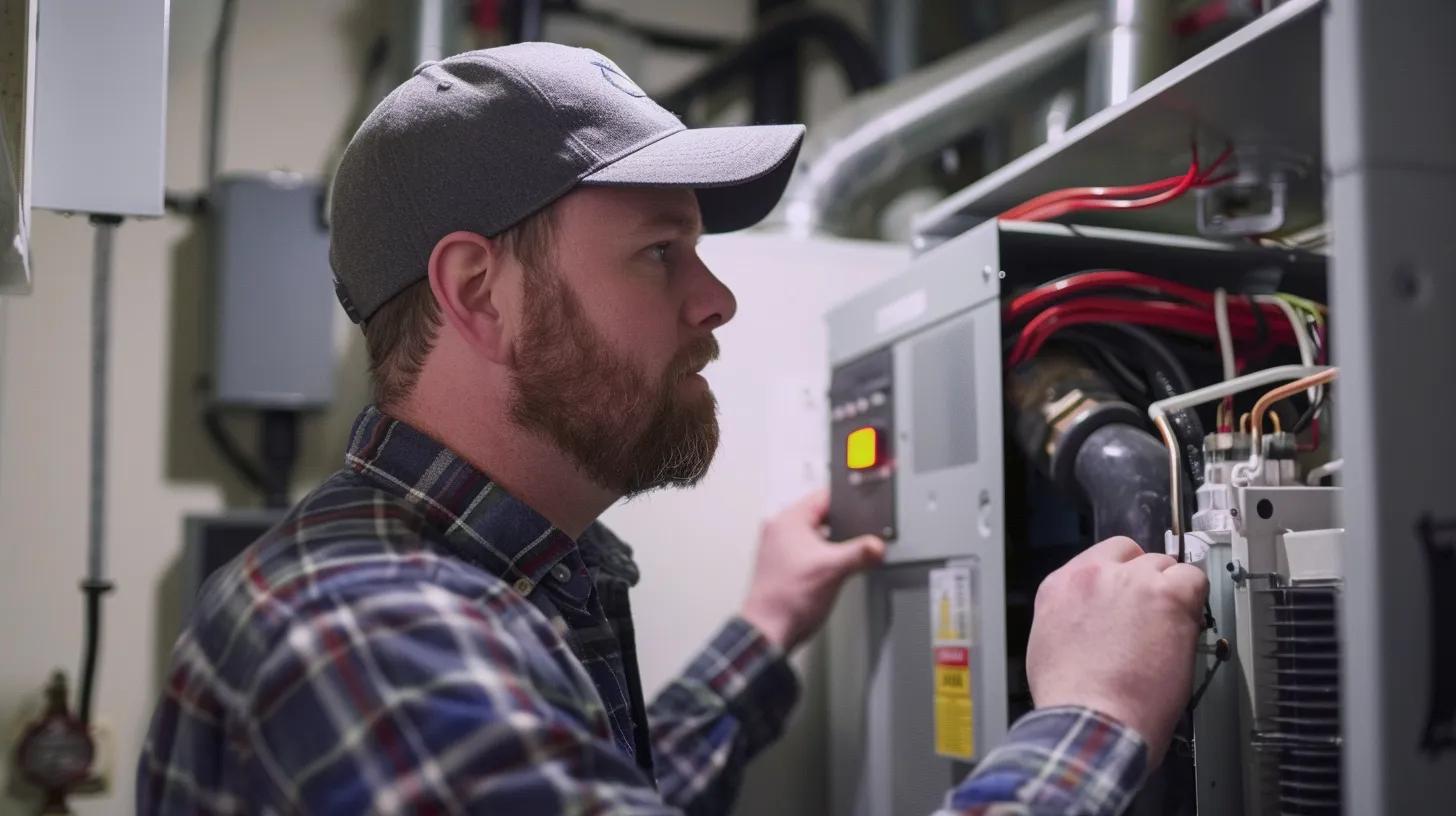
A furnace that runs but does not produce heat usually reflects a failure in one of several core systems: the thermostat control, the ignition or pilot system, the fuel or electrical supply, or restricted airflow from clogged filters. The mechanism is straightforward: if the thermostat doesn’t call for heat or the ignition fails, burners or electric heating elements won’t generate warmth, and the blower will circulate cool air instead. Immediate value comes from following safe, ordered checks that isolate simple causes before escalating to professional repair. Below are sequential DIY checks to perform in a safety-first order so you reduce risk while diagnosing the problem.
Perform these quick checks in sequence to identify common no-heat causes:
- Verify thermostat settings: Confirm mode is set to Heat, temperature set above room temp, and batteries are functional.
- Inspect and replace the air filter: A clogged filter can restrict airflow and force the system into protection modes.
- Check breakers and switches: Reset tripped breakers and ensure the furnace switch is on; some control boards may require a manual reset.
- Observe ignition behavior: For gas furnaces listen for ignition attempts or pilot light; for electric units verify backup heat elements.
- Look for error codes: Modern furnaces flash diagnostic lights or codes on the control board—note these before powering down.
These steps often resolve thermostat or airflow problems; if ignition, gas supply, or control-board faults remain, a professional inspection will be necessary to find the root cause and ensure safety. The next table summarizes common causes, their symptoms, and immediate homeowner checks to streamline diagnosis.
This table compares frequent no-heat causes, observable attributes, and practical checks homeowners can perform before calling a technician.
| Cause | Key Symptom | Immediate DIY Check |
|---|---|---|
| Thermostat misconfiguration | Furnace does not cycle on when set | Confirm Heat mode, raise setpoint, replace batteries |
| Dirty/clogged air filter | Reduced airflow; furnace runs but home remains cold | Inspect and replace filter; note airflow improvement |
| Ignition/pilot failure | No burner flame or repeated ignition attempts | Observe ignition sequence; do NOT attempt complex gas repairs |
| Tripped breaker / power issue | Furnace has no power or intermittent operation | Reset breaker, check furnace switch, inspect control light |
| Gas supply problem | Furnace won’t ignite; gas odor or no flame | Smell for gas and evacuate if present; otherwise confirm gas valve on |
Summarizing this diagnostic logic helps homeowners rule out simple configuration and airflow issues quickly while recognizing red flags—like gas smells or repeated ignition failures—that require immediate professional attention. Next, we examine thermostat-specific issues and safe actions to take.
What Thermostat Issues Can Prevent Furnace Heating?
A thermostat acts as the control interface and sensor for the heating system; misconfiguration, dead batteries, wiring faults, or integration errors with smart thermostats can prevent the furnace from receiving a proper call for heat. The mechanism is that the thermostat must close the circuit (or send a digital signal) to the furnace control when room temperature falls below setpoint, and failures interrupt that signal. Start by confirming the thermostat is set to Heat, the setpoint is above ambient temperature, and fresh batteries are installed if applicable. For smart thermostats, check network connectivity and recent schedule changes or “away” modes that can suppress heating. If wiring appears loose, or if the thermostat displays inconsistent temperature readings despite correct settings, professional diagnosis of control wiring or transformer issues is recommended.
Thermostat troubleshooting often resolves no-heat scenarios, but persistent inconsistent signals or damaged wiring indicate electrical-level problems best handled by technicians. Understanding thermostat behavior leads into ignition and fuel system causes, which are typically the next step when controls appear to function correctly.
How Do Pilot Light and Ignition Problems Affect Furnace Heating?
Ignition systems—either a standing pilot in older gas furnaces or an electronic ignitor in modern units—initiate combustion; failure here stops burners from producing heat even when the system otherwise appears functional. Symptoms include repeated ignition clicks without flame, burners that light briefly then shut down, or a glowing ignitor that doesn’t ignite gas. Simple homeowner checks include observing the ignition sequence and ensuring the gas valve is open, but owners should not attempt gas-line repairs or repeated relighting if gas odor is present. Flame sensor fouling can cause intermittent shutdowns; lightly cleaning the sensor can sometimes restore reliable ignition, but only if you are comfortable and follow manufacturer safety steps.
Because ignition and gas components pose safety risks, unresolved ignition failures or any sign of gas odor should prompt immediate professional service to inspect ignitors, flame sensors, gas valves, and combustion safety controls before operating the furnace further.
What Are the Most Common Furnace Noises and What Do They Mean?
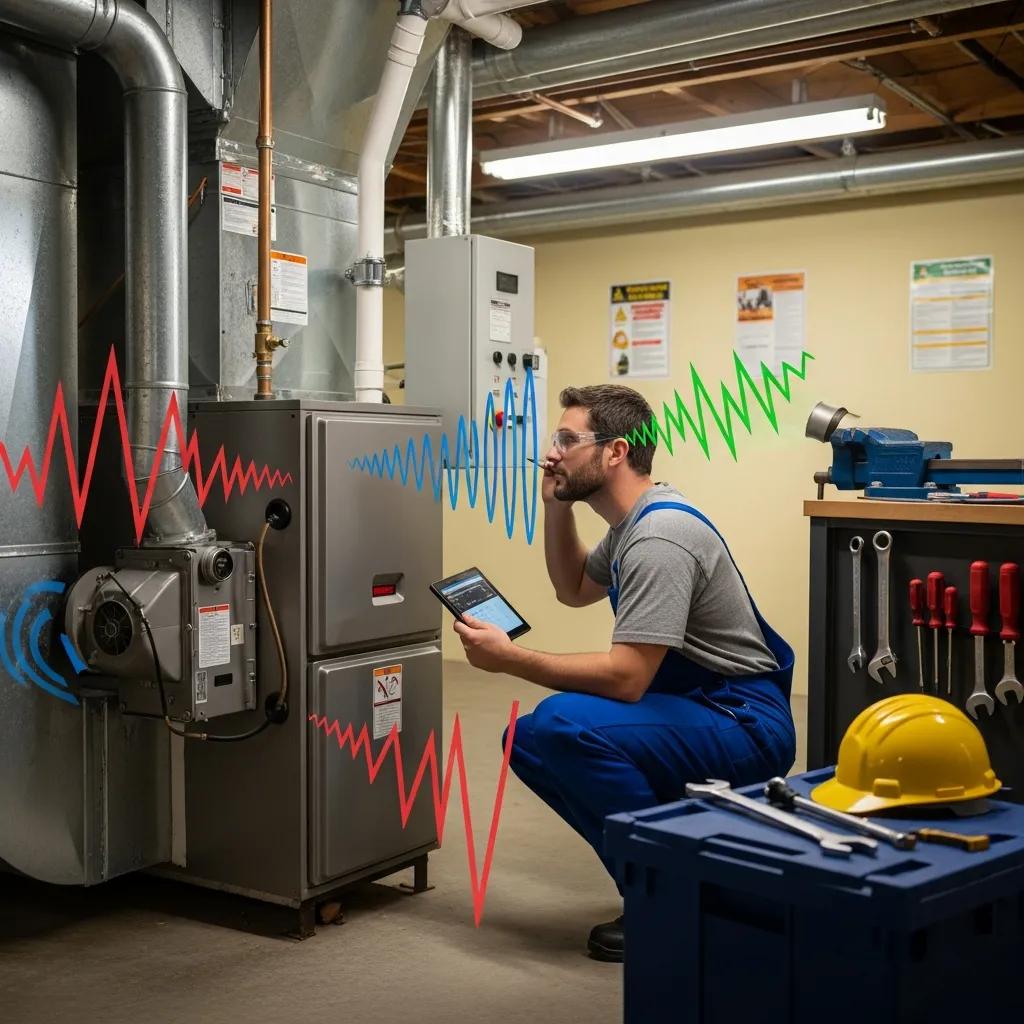
Unusual sounds from a furnace convey important information about mechanical and electrical health; common categories include squealing or grinding, clicking, banging (delayed ignition), and rattling from loose panels or ducts. Noise indicates stress on components: bearings and belts produce high-pitched squeals, ignition or relay issues cause repeated clicking, and delayed ignition can create loud bangs that signal combustion timing problems. Interpreting these sounds quickly helps prevent further damage and avoids safety hazards, so homeowners should stop and evaluate loud or new noises rather than ignoring them. Below is a categorized list of noises and immediate homeowner actions to help decide whether a simple fix is possible or a technician is required.
Common furnace noises and immediate homeowner actions include:
- Squeal or grind: Often worn blower motor bearings or belt issues; check belt tension and listen at the blower compartment.
- Clicking: Normal ignition clicks are short; repetitive or rapid clicking suggests failed relays or ignition attempts.
- Banging (delayed ignition): Loud bangs usually indicate delayed ignition and require immediate shutdown and professional inspection.
- Rattling: Loose panels, ductwork, or debris can cause rattles; tighten panels and inspect ducts for loose screws.
Recognizing the difference between benign startup noises and progressive mechanical noises helps prioritize response, and the table below maps noise types to likely causes along with recommended actions for homeowners.
| Noise Type | Likely Cause | Recommended Action |
|---|---|---|
| Squeal / Grind | Worn blower bearings or loose belt | Shut off power, inspect blower access, avoid running long-term |
| Repeated Clicking | Faulty relay or ignition attempts | Note diagnostic lights, avoid cycling power repeatedly |
| Loud Banging | Delayed ignition in burner chamber | Turn off furnace and schedule immediate technician visit |
| Rattling | Loose panels or duct hardware | Tighten access panels; inspect ducts for loose fittings |
This mapping clarifies which noises you can temporarily diagnose and which require professional repair to prevent unsafe operation. The next subsections break down squealing and other noises in greater detail to show safe homeowner checks and when to call for service.
Why Is My Furnace Blowing Cold Air? Troubleshooting and Solutions
A furnace that runs but blows cold air usually indicates that the blower is operating while burners or electric heat elements are not producing heat, or that heat generation is present but lost due to airflow problems. The primary mechanisms include dirty filters restricting heat transfer, ignition or gas supply failures preventing burners from lighting, or thermostatic and safety limits shutting off burners while the blower continues. Systematically checking filters, thermostat settings, and whether burners light clarifies whether the fault is airflow-related or heat-generation related. The following list outlines prioritized checks to restore warm airflow and prevent damage from running the blower without heat.
Follow these steps to diagnose cold air output:
- Check and replace the air filter: A clogged filter reduces heat transfer and may force limit switches to stop burners.
- Confirm thermostat is on Heat and set correctly: Ensure the fan is set to Auto, not On, to avoid continuous blower without heat.
- Observe burner operation: If burners never light, suspect ignition, flame sensor, or gas supply issues.
- Inspect vents and returns for obstructions: Blocked returns can limit heat distribution even when burners fire.
If filters and thermostat settings do not restore warm airflow, the problem often involves components—blowers running while ignition fails or limit switches operating because of overheating—requiring professional troubleshooting of ignitors, limit switches, or the heat exchanger. The next two subsections explore the role of filters and component failures in more detail.
This short table shows the most common cold-air causes and simple checks homeowners can perform.
| Factor | Symptom | DIY Check |
|---|---|---|
| Dirty filter | Weak airflow; cooler output | Replace filter and retest system |
| Blower running, no flame | Blower active but no heat | Observe ignition; do not attempt gas work |
| Limit switch tripped | Burners shut off while blower runs | Allow cooling, replace filter, call tech if repeats |
These comparisons help homeowners separate airflow issues from heat-generation faults so they can take correct next steps and avoid prolonged inefficient operation.
How Do Dirty Air Filters Impact Furnace Airflow and Temperature?
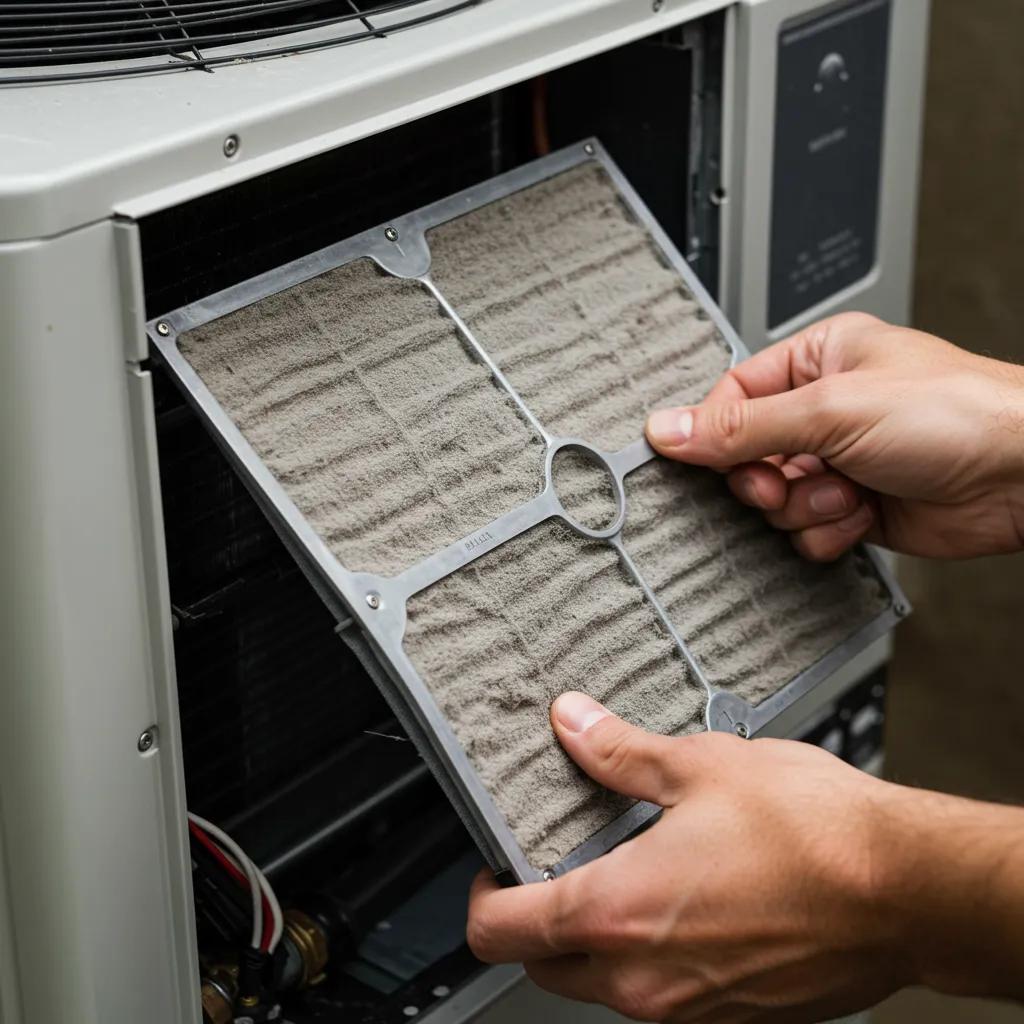
Clogged or improperly sized filters reduce supply and return airflow, causing poor heat transfer across the heat exchanger and prompting safety limits to shut off burners to prevent overheating. Mechanically, reduced airflow increases temperature differentials and forces the blower to work harder, shortening component life while delivering cold or lukewarm air. Homeowners should inspect filters monthly during heavy-use periods and replace them every 1–3 months depending on household conditions and filter MERV rating. Replacing a clogged filter is a low-cost, high-impact action that often restores normal operation within minutes and prevents short cycling and blower strain.
Consistent filter maintenance reduces the likelihood of mechanical failures and links directly to improved efficiency and longevity, which leads into a discussion of other components that can cause cold air output.
What Causes Furnace Short Cycling and How Can I Fix It?
Short cycling is when the furnace turns on and off frequently in short intervals, which reduces efficiency and accelerates wear on components such as the blower, ignitor, and control relays. The mechanism usually traces to restricted airflow, incorrect thermostat placement, safety limit switches, or oversizing of the unit relative to the home’s load; each causes the system to reach setpoints too quickly or register false temperature reads. Addressing short cycling involves both immediate fixes—filter replacement and thermostat relocation—and long-term solutions like professional load calculation and control adjustments. The list below outlines common causes and first-line remedies homeowners can try safely.
Common causes and homeowner interventions:
- Restricted airflow from dirty filters or closed vents: Replace filters and ensure returns are unblocked.
- Thermostat placement near heat sources: Relocate thermostat away from direct sun, vents, and appliances.
- Oversized furnace or improper controls: Consult a technician for load assessment and control upgrades.
If basic steps do not stop short cycling, the underlying problems often require professional evaluation to determine whether resizing, changing fan controls, or repairing sensors is needed to restore consistent cycles. The following two subsections dive into how filters and thermostat placement contribute, and whether oversizing is a likely culprit.
How Do Clogged Filters and Thermostat Placement Affect Short Cycling?
Clogged filters reduce heat exchange efficiency and cause the system to overheat locally, triggering the limit switch to shut burners down and restarting when temperatures fall—this creates rapid on/off cycles that stress components. Similarly, a thermostat placed above a heat register or in direct sunlight senses a warmer temperature than the home average, signaling the furnace to stop prematurely and then restart frequently. Simple actions—replacing filters, ensuring return vents are clear, and relocating the thermostat to an interior wall away from heat sources—often resolve short cycling caused by these factors.
Correcting filter and sensor placement issues restores stable operation in many homes and helps avoid more invasive steps like equipment resizing or control system changes.
Can an Oversized Furnace Lead to Short Cycling?
Yes; an oversized furnace heats the conditioned space rapidly and then shuts off, causing short, frequent cycles that degrade comfort and reduce efficiency. The root mechanism is mismatch between the furnace’s output capacity and the home’s heat loss characteristics, which can be caused by improper original sizing or later changes to a home’s insulation or envelope. The long-term remedy is a professional load calculation and, depending on findings, right-sizing the equipment or installing modulation controls that allow the furnace to operate at lower outputs for longer cycles.
When oversizing is suspected—especially if short cycling persists after typical fixes—engaging a technician for a thorough heat-load assessment and recommendations for corrective measures is the prudent next step.
When Should I Call a Professional HVAC Technician for Furnace Service?
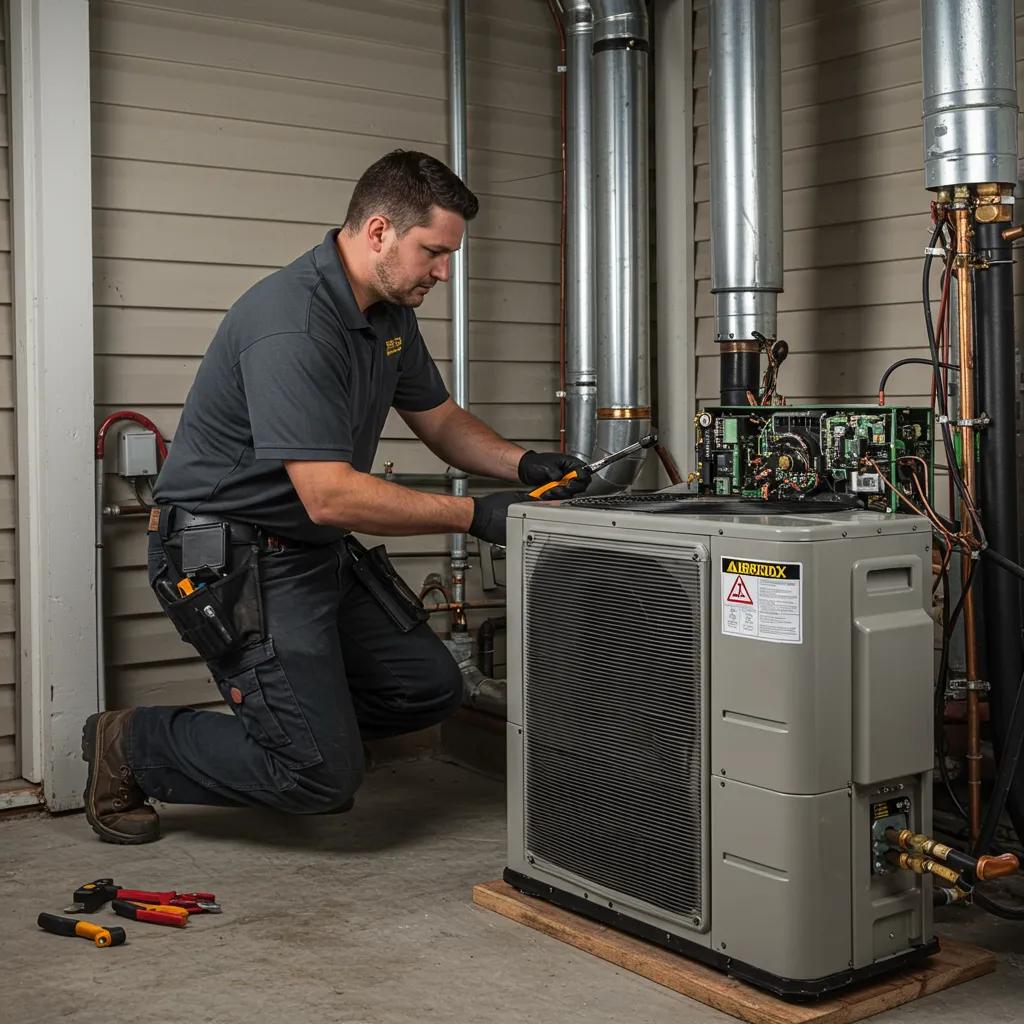
Call a professional for red flags such as the smell of gas, persistent ignition failures, visible corrosion on the heat exchanger, repeated short cycling after basic fixes, loud banging noises, or any electrical burning smells. Professionals perform safety-critical tasks—combustion analysis, heat exchanger inspection, gas-valve repairs, control-board replacement, and sealed-motor servicing—that homeowners should not attempt. For preventative care, schedule an annual professional tune-up before the heating season to identify worn components and verify safe combustion and ventilation. Lane Heating and Air offers comprehensive furnace service, repair, inspection, installation, replacement, and maintenance for various furnace types, including electric furnaces, delivered by certified professionals committed to reliability and customer satisfaction; “contact them” to schedule an inspection or enroll in a maintenance plan if you need expert diagnostics or hands-on repairs.
Conclusion
Understanding common furnace problems empowers homeowners to maintain comfort and safety throughout the heating season. By identifying issues such as no heat, cold air output, and unusual noises, you can take proactive steps to troubleshoot effectively and know when to call for professional help. Regular maintenance and timely interventions not only enhance efficiency but also extend the lifespan of your furnace. For expert assistance and comprehensive service options, reach out to our team today.